
Introduction: Exploring the Impact of Artificial Intelligence in Healthcare
The Rise of Artificial Intelligence in Healthcare
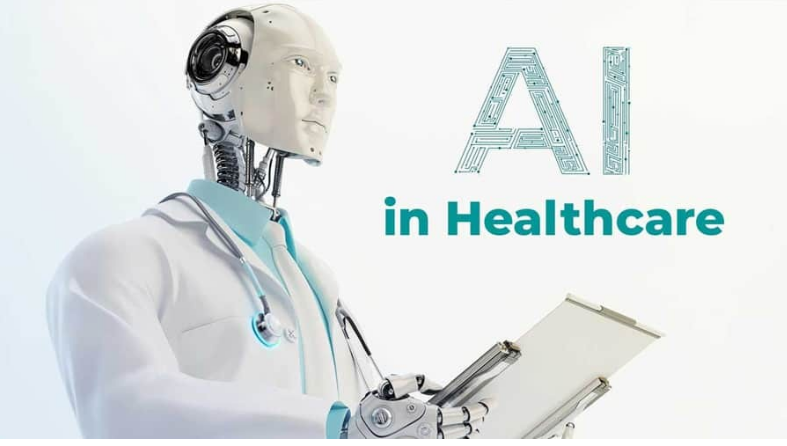
Artificial Intelligence (AI) is transforming the healthcare industry, offering innovative solutions for patient care, diagnosis, and treatment. With AI technologies evolving rapidly, their integration into healthcare systems is revolutionizing the way medical professionals operate. This article delves into the current applications, benefits, challenges, and future prospects of AI in healthcare.
Current Applications of AI in Healthcare
The focus key phrase here is “artificial intelligence in healthcare”. AI is being utilized in various aspects of healthcare, from diagnostics to patient management. Machine learning algorithms analyze medical data to assist in diagnosing diseases, predicting patient outcomes, and personalizing treatment plans.
For instance, AI-powered imaging systems can detect abnormalities in medical scans with high accuracy, aiding radiologists in diagnosing conditions like cancer and cardiovascular diseases. AI algorithms also help in predicting disease outbreaks and managing public health responses.
Benefits of AI in Healthcare
The integration of AI in healthcare brings numerous benefits. One significant advantage is improved diagnostic accuracy. AI systems can analyze vast amounts of medical data quickly and accurately, reducing the likelihood of human error and enabling earlier detection of diseases.
AI also enhances operational efficiency in healthcare facilities. Automated administrative tasks, such as scheduling appointments and managing patient records, free up healthcare professionals to focus on patient care. Additionally, AI-driven predictive analytics can optimize resource allocation and reduce costs.
Personalized Medicine and Treatment
AI is at the forefront of personalized medicine, tailoring treatments to individual patients based on their genetic makeup, lifestyle, and medical history. By analyzing patient data, AI can identify the most effective treatments and predict potential side effects, leading to better patient outcomes.
Pharmacogenomics, a field combining pharmacology and genomics, uses AI to understand how an individual’s genetic makeup affects their response to drugs. This allows for the development of personalized medications that are more effective and have fewer adverse effects.
Challenges and Ethical Considerations
Despite its potential, the adoption of AI in healthcare faces challenges. One major concern is data privacy and security. Ensuring the confidentiality and integrity of patient data is paramount, and healthcare organizations must implement robust cybersecurity measures to protect sensitive information.
Ethical considerations also arise with the use of AI in healthcare. Issues such as algorithmic bias, accountability, and the transparency of AI decision-making processes need to be addressed to build trust among patients and healthcare professionals.
Future Prospects of Artificial intelligence in healthcare
The future of AI in healthcare is promising, with ongoing advancements expected to enhance its capabilities further. Emerging technologies like natural language processing (NLP) and computer vision will enable more sophisticated interactions with patients and deeper insights from medical data.
AI-driven telemedicine and remote monitoring solutions will expand access to healthcare, especially in underserved regions. Wearable devices equipped with AI can continuously monitor patients’ health, providing real-time data to healthcare providers and enabling proactive interventions.
Conclusion
Artificial intelligence in healthcare is revolutionizing the industry by improving diagnostic accuracy, enhancing operational efficiency, and enabling personalized medicine. While challenges exist, the potential benefits of AI are immense, promising a future where healthcare is more efficient, effective, and accessible. Embracing AI technologies in healthcare is essential for advancing medical science and improving patient outcomes.


