
Discover how autonomous vehicles are transforming urban mobility, reducing traffic congestion, and enhancing safety on our roads.
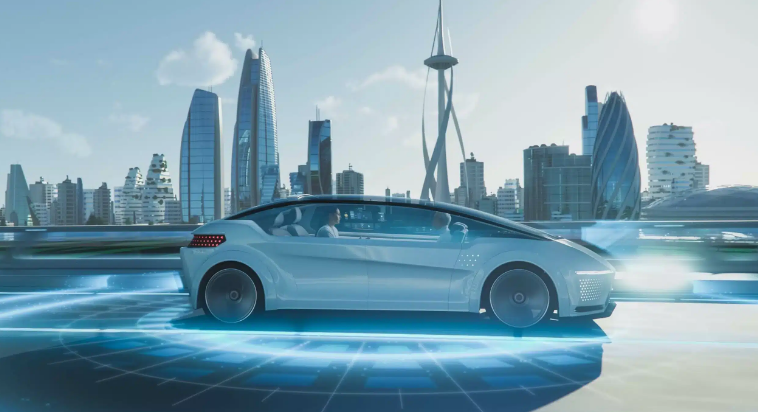
Autonomous Vehicles
Autonomous vehicles (AVs) are no longer a distant dream. With rapid advancements in technology, self-driving cars are set to revolutionize urban mobility. The impact of autonomous vehicles on urban mobility is profound, promising to reduce traffic congestion, enhance safety, and transform the way we commute.
Reducing Traffic Congestion
One of the most significant benefits of autonomous vehicles is their potential to reduce traffic congestion. AVs can communicate with each other and traffic management systems to optimize routes and reduce bottlenecks. Unlike human drivers, autonomous vehicles can maintain optimal speeds and safe distances, minimizing the chances of traffic jams. Moreover, with ride-sharing and carpooling services becoming more efficient, the number of vehicles on the road can be reduced, further alleviating congestion.
Enhancing Safety
Safety is a major concern in urban mobility. Human error is a leading cause of road accidents. Autonomous vehicles, equipped with advanced sensors, cameras, and artificial intelligence, can detect and respond to potential hazards much faster than human drivers. They can avoid collisions, maintain safe distances, and adhere to traffic rules consistently. As a result, the widespread adoption of AVs could significantly reduce the number of accidents, injuries, and fatalities on our roads.
Improving Accessibility
Autonomous vehicles have the potential to improve accessibility for people with disabilities and the elderly. Self-driving cars can provide mobility solutions for those who are unable to drive, enhancing their independence and quality of life. Moreover, AVs can offer reliable transportation services in underserved areas, bridging the gap between urban and rural mobility.
Environmental Benefits
The impact of autonomous vehicles on urban mobility also extends to the environment. AVs can be integrated with electric vehicle (EV) technology, reducing greenhouse gas emissions and air pollution. Furthermore, optimized driving patterns and reduced idling can lead to more efficient fuel consumption. As cities adopt green initiatives, autonomous electric vehicles can play a pivotal role in creating sustainable urban environments.
Economic Implications
The rise of autonomous vehicles will have significant economic implications. The transportation sector is likely to see a shift in job roles, with new opportunities emerging in AV technology, maintenance, and data analysis. While some traditional driving jobs may decline, the overall impact could be positive as new industries and services develop around autonomous vehicles.
Challenges and Considerations
Despite the numerous benefits, the widespread adoption of autonomous vehicles faces several challenges. Issues related to cybersecurity, data privacy, and regulatory frameworks need to be addressed. Moreover, public acceptance and trust in AV technology will play a crucial role in its success. Continuous advancements in technology and collaborative efforts between governments, industries, and communities are essential to overcoming these challenges.
Conclusion
The impact of autonomous vehicles on urban mobility is transformative. From reducing traffic congestion and enhancing safety to improving accessibility and benefiting the environment, AVs hold immense potential. As technology continues to evolve, autonomous vehicles are set to redefine the future of urban transportation, making our cities smarter, safer, and more sustainable.


