
Explore the rise of connected cars, their benefits in enhancing driving experience, and the challenges faced in integrating advanced technologies.
Benefits and Challenges of Connected Cars
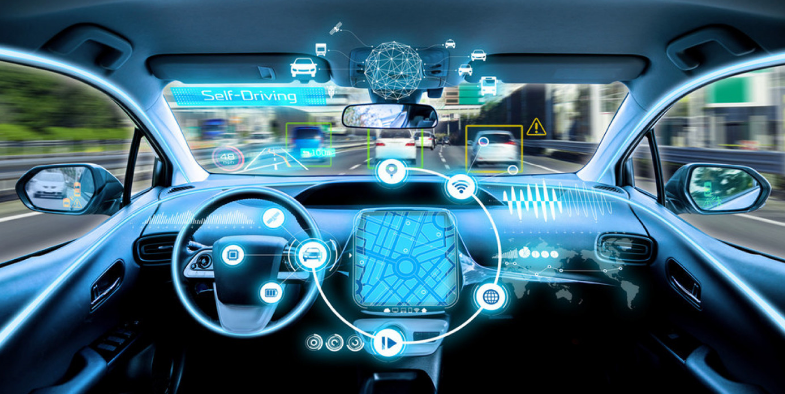
Connected cars are revolutionizing the automotive industry, transforming vehicles into smart, data-driven machines. The rise of connected cars offers numerous benefits, from enhancing driving experience to improving safety and efficiency. However, integrating advanced technologies into vehicles also presents several challenges.
What Are Connected Cars?
Connected cars are equipped with internet connectivity and a range of sensors that allow them to communicate with other vehicles, infrastructure, and external devices. These vehicles can access real-time data, provide enhanced navigation, offer entertainment options, and enable remote diagnostics. The integration of advanced technologies like artificial intelligence (AI) and the Internet of Things (IoT) has paved the way for the rise of connected cars.
Benefits of Connected Cars
Enhanced Driving Experience
Connected cars offer an enhanced driving experience through real-time data and advanced infotainment systems. Drivers can access live traffic updates, weather forecasts, and points of interest. Voice-activated controls and smartphone integration provide convenience and improve user experience. Additionally, personalized settings can be stored and accessed, making each journey more comfortable and enjoyable.
Improved Safety
Safety is a key benefit of connected cars. Advanced driver-assistance systems (ADAS) such as lane departure warnings, adaptive cruise control, and automatic emergency braking can prevent accidents and reduce the severity of collisions. Real-time data sharing between vehicles helps in avoiding potential hazards. Moreover, remote diagnostics and predictive maintenance alerts ensure that vehicles are in optimal condition, reducing the likelihood of mechanical failures.
Increased Efficiency
Connected cars contribute to increased efficiency in transportation. Real-time navigation and traffic management systems optimize routes, reducing travel time and fuel consumption. Fleet management for commercial vehicles becomes more efficient with real-time tracking and data analytics. Furthermore, the integration of electric vehicles (EVs) with connected technology enhances energy management and charging infrastructure utilization.
Challenges Faced by Connected Cars
Data Security and Privacy
One of the significant challenges in the rise of connected cars is ensuring data security and privacy. Connected cars generate and transmit vast amounts of data, including personal information, location, and driving patterns. Protecting this data from cyber threats and unauthorized access is crucial. Implementing robust cybersecurity measures and data encryption is essential to safeguard user information.
Infrastructure and Standardization
The successful integration of connected cars requires robust infrastructure and standardization. Developing smart road infrastructure, such as intelligent traffic lights and vehicle-to-infrastructure (V2I) communication systems, is essential for seamless connectivity. Moreover, establishing industry-wide standards for data communication and interoperability between different vehicle manufacturers and technology providers is crucial for widespread adoption.
Cost and Complexity
Integrating advanced technologies into vehicles increases their cost and complexity. The development and deployment of connected car systems require significant investments in research, development, and manufacturing. Ensuring affordability while maintaining high-quality standards is a challenge for automakers. Additionally, the complexity of integrating multiple technologies and ensuring their seamless operation can pose engineering challenges.
Future Prospects of Connected Cars
Despite the challenges, the future prospects of connected cars are promising. The continuous advancements in AI, IoT, and 5G technology are expected to enhance connectivity, safety, and efficiency. Collaboration between automakers, technology providers, and regulatory bodies will play a crucial role in addressing the challenges and unlocking the full potential of connected cars.
Conclusion
The rise of connected cars is transforming the automotive industry, offering numerous benefits and opportunities. From enhancing the driving experience to improving safety and efficiency, connected cars are set to revolutionize transportation. While challenges related to data security, infrastructure, and cost need to be addressed, the future of connected cars holds immense potential in creating a smarter and more connected world.


