
Discover how artificial intelligence in Modern Automobiles is transforming modern automobiles, enhancing safety, efficiency, and the overall driving experience.
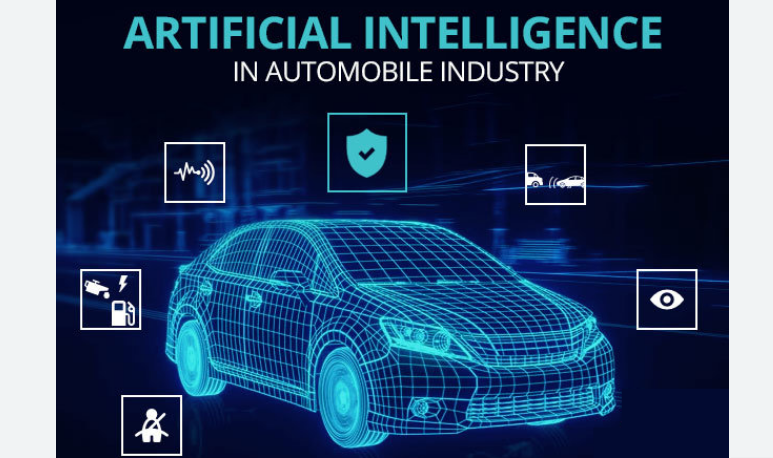
Artificial Intelligence in Modern Automobiles
Artificial intelligence (AI) is playing a transformative role in modern automobiles. From enhancing safety and efficiency to improving the overall driving experience, AI is revolutionizing the automotive industry. The integration of AI in vehicles is paving the way for smarter, more intuitive, and highly efficient transportation solutions.
Enhancing Safety
Safety is a paramount concern in the automotive industry. AI is significantly enhancing vehicle safety through advanced driver-assistance systems (ADAS). These systems utilize AI algorithms and sensors to detect potential hazards and assist drivers in avoiding collisions. Features like adaptive cruise control, lane-keeping assist, and automatic emergency braking rely on AI to analyze real-time data and make split-second decisions, ensuring safer journeys.
Autonomous Driving
One of the most exciting applications of AI in modern automobiles is autonomous driving. Self-driving cars use AI to navigate roads, interpret traffic signals, and make decisions based on real-time data. Companies like Tesla, Waymo, and Uber are at the forefront of developing autonomous vehicles. These cars use machine learning algorithms, computer vision, and sensor fusion to understand their environment and drive safely without human intervention. The future of autonomous driving promises to reduce traffic accidents, improve traffic flow, and provide mobility solutions for people with disabilities.
Predictive Maintenance
AI is also transforming vehicle maintenance through predictive analytics. Traditional maintenance relies on scheduled service intervals, which may not always align with the actual condition of the vehicle. AI enables predictive maintenance by analyzing data from various sensors and predicting when a component is likely to fail. This approach ensures timely maintenance, reduces downtime, and extends the lifespan of the vehicle. Drivers receive alerts about potential issues, allowing them to address problems before they escalate.
Personalized Driving Experience
AI is enhancing the driving experience by providing personalized services. Modern cars equipped with AI can learn the preferences and habits of the driver. They can adjust seat positions, climate controls, and entertainment options based on the driver’s preferences. Voice-activated assistants like Amazon Alexa and Google Assistant are integrated into vehicles, allowing drivers to control various functions through voice commands. AI-driven infotainment systems provide personalized recommendations for music, navigation, and nearby points of interest, making each journey more enjoyable.
Fuel Efficiency and Emissions Reduction
AI is playing a crucial role in improving fuel efficiency and reducing emissions. Intelligent driving systems analyze driving patterns and provide real-time feedback to drivers on how to optimize fuel consumption. Hybrid and electric vehicles use AI to manage power distribution and energy regeneration, maximizing efficiency. AI algorithms also optimize traffic flow and reduce congestion, contributing to lower emissions and a cleaner environment.
Challenges and Considerations
While the integration of AI in modern automobiles offers numerous benefits, it also presents challenges. Ensuring the security of AI systems is paramount, as vulnerabilities could be exploited by cyber threats. Data privacy is another concern, as AI systems collect and analyze vast amounts of personal data. Regulatory frameworks and standards need to be established to govern the development and deployment of AI in vehicles. Additionally, public acceptance and trust in AI-driven technologies are crucial for their widespread adoption.
Conclusion
The role of artificial intelligence in modern automobiles is transformative, offering enhanced safety, efficiency, and a personalized driving experience. As AI technology continues to evolve, its integration into vehicles will become more sophisticated, paving the way for a future of smarter, safer, and more efficient transportation. Embracing the potential of AI in the automotive industry will lead to innovations that redefine the way we drive and experience mobility.


