Space exploration is an exciting frontier that continues to captivate the imagination of scientists, engineers, and space enthusiasts worldwide. This article delves into the latest space exploration missions, the advancements being made, and what the future holds for humanity’s quest to explore the cosmos. Understanding these missions not only highlights our progress but also sets the stage for future achievements in space science.
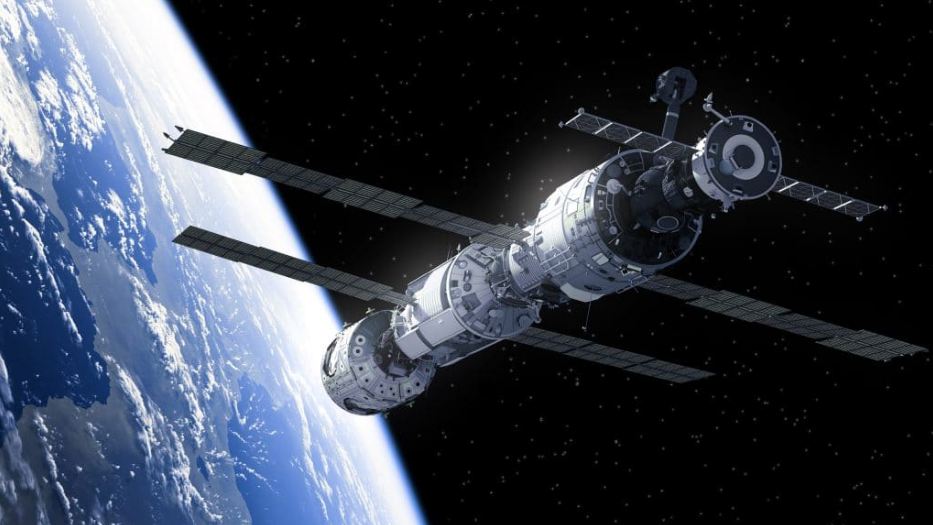
Space exploration has always been a source of wonder and inspiration. From landing on the Moon to sending rovers to Mars, humanity’s journey into space is marked by remarkable milestones. This article covers the current space exploration missions, technological advancements, and future goals, providing a comprehensive overview of humanity’s ongoing quest to explore the universe.
Current Space Exploration Missions
NASA’s Artemis Program
The Artemis program, led by NASA, aims to return humans to the Moon and establish a sustainable presence. The goal is to land the first woman and the next man on the lunar surface by 2024. Artemis will pave the way for future missions to Mars and beyond, focusing on exploring the Moon’s south pole, developing lunar habitats, and utilizing in-situ resources.
Mars Rover Missions
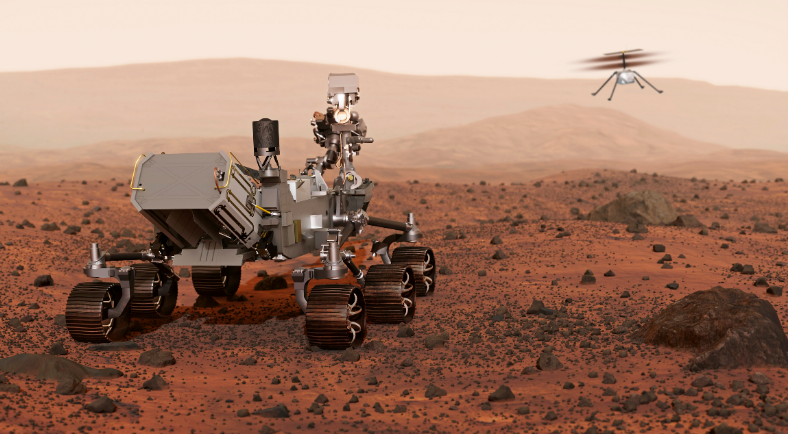
NASA’s Perseverance rover, which landed on Mars in February 2021, is exploring the Jezero Crater. Its mission includes searching for signs of ancient life, collecting soil samples, and testing new technologies such as producing oxygen from Martian CO2. The rover’s findings could provide crucial insights into Mars’ past and prepare for future human exploration.
James Webb Space Telescope
The James Webb Space Telescope (JWST), set to launch in December 2021, is designed to succeed the Hubble Space Telescope. JWST will observe the universe in infrared, allowing scientists to peer deeper into space and time. Its mission includes studying the formation of stars and galaxies, exploring exoplanet atmospheres, and examining cosmic phenomena.
China’s Lunar Exploration
China’s space agency has made significant strides with its Chang’e missions. Chang’e 5, which returned lunar samples to Earth in 2020, was a major achievement. Future missions include Chang’e 6, which aims to collect more lunar samples, and Chang’e 7, which will explore the Moon’s south pole and conduct surface observations.
SpaceX’s Starship
SpaceX’s Starship is a fully reusable spacecraft designed for interplanetary travel. Currently in the testing phase, Starship aims to make space travel more affordable and accessible. It is envisioned to transport humans to Mars, facilitate lunar missions, and support various space tourism endeavors.
Technological Advancements
Reusability of Spacecraft
The concept of reusability has transformed space exploration. SpaceX’s Falcon 9 and Falcon Heavy rockets have demonstrated successful landings and reuse, reducing costs and increasing access to space. Reusable spacecraft are critical for sustainable space exploration and future missions beyond Earth.
Advanced Propulsion Systems
Innovations in propulsion systems are driving space exploration forward. Technologies such as ion propulsion and nuclear thermal propulsion promise faster travel and more efficient space missions. These advancements are crucial for long-duration missions to Mars and other distant destinations.
In-Situ Resource Utilization
Utilizing resources found on the Moon or Mars is vital for long-term space exploration. Technologies are being developed to extract water from lunar ice, produce oxygen from Martian CO2, and utilize local materials for building habitats. In-situ resource utilization will reduce the reliance on supplies from Earth and support extended missions.
Future Goals and Prospects of Space Exploration Missions
Human Missions to Mars
One of the most ambitious goals in space exploration is sending humans to Mars. NASA, SpaceX, and other space agencies are working towards this goal, with plans for crewed missions potentially starting in the 2030s. These missions will require advancements in life support systems, radiation protection, and sustainable habitats.
Establishing Lunar Bases
Establishing bases on the Moon is a stepping stone for deeper space exploration. Lunar bases will serve as testing grounds for technologies, support scientific research, and provide a platform for missions to Mars and beyond. International collaborations and private sector investments are key to achieving this goal.
Space Tourism
Space tourism is becoming a reality, with companies like Blue Origin and Virgin Galactic offering suborbital flights. As technology advances and costs decrease, space tourism may expand to include orbital and lunar experiences, making space travel accessible to more people.
Exploration of Outer Planets
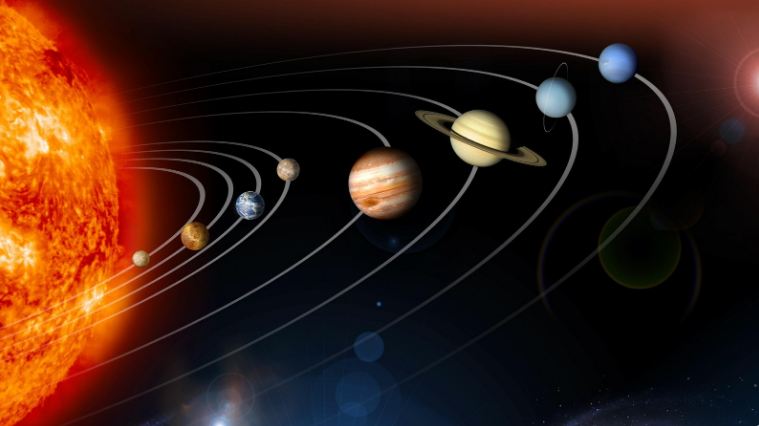
Exploring outer planets and their moons, such as Jupiter’s Europa and Saturn’s Enceladus, is a future goal. These missions aim to investigate the potential for life in the subsurface oceans of these moons and expand our understanding of the outer reaches of our solar system.
Conclusion
Space exploration missions continue to push the boundaries of human knowledge and capability. From returning to the Moon and exploring Mars to developing advanced technologies and planning for future missions, the field of space exploration is vibrant and full of potential. As we advance in our quest to explore the universe, these missions not only expand our scientific understanding but also inspire future generations to reach for the stars. By staying informed about current missions and technological advancements, we can better appreciate humanity’s remarkable journey into space and anticipate the exciting developments that lie ahead.