
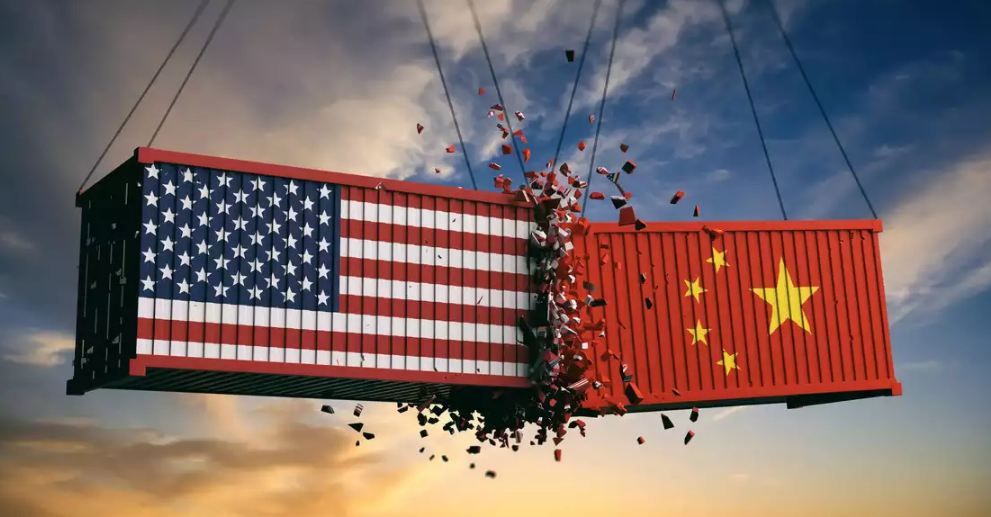
US-China trade relations are a critical aspect of the global economy, affecting international trade, markets, and geopolitics. As two of the world’s largest economies, the interplay between the United States and China significantly impacts global economic stability and growth. This article delves into the intricacies of US-China trade relations, exploring their historical context, current status, and potential future developments.
US-China trade relations are pivotal in shaping the global economic landscape. With both nations being major economic powerhouses, their trade policies and interactions have far-reaching implications for global markets and economic stability. This article provides an in-depth analysis of the current state of US-China trade relations, examining historical background, recent developments, and future outlook.
Historical Context of US-China Trade Relations
Early Trade Relations
Trade between the United States and China began in the early 19th century, but it was not until the late 20th century that the relationship became significant on a global scale. The normalization of trade relations in 1979, following the establishment of diplomatic ties, marked a new era of economic interaction between the two countries.
Accession to the World Trade Organization (WTO)
China’s accession to the WTO in 2001 was a landmark event that further integrated China into the global trading system. The move opened up Chinese markets to international competition and increased trade between the US and China. However, it also led to new challenges and tensions regarding trade imbalances and intellectual property rights.
Current Status of US-China Trade Relations
Trade Imbalance
One of the most contentious issues in US-China trade relations is the trade imbalance. The United States has consistently run a trade deficit with China, importing more goods from China than it exports. This imbalance has been a point of friction, with critics arguing that it negatively affects US manufacturing and job creation.
Trade War and Tariffs
The trade war, which began in 2018 under the Trump administration, introduced a series of tariffs and trade barriers between the two countries. The US imposed tariffs on Chinese goods, citing concerns over intellectual property theft and unfair trade practices. In response, China retaliated with its own tariffs on US products. The trade war led to significant disruptions in global supply chains and market uncertainty.
Phase One Trade Agreement
In January 2020, the US and China signed the Phase One Trade Agreement, which aimed to address some of the trade issues and reduce tensions. The agreement included provisions for increased Chinese purchases of US goods, improved intellectual property protections, and enhanced transparency in currency practices. However, many issues remain unresolved, and the trade relationship continues to be complex and evolving.
Recent Developments and Current Issues
Ongoing Trade Negotiations
Trade negotiations between the US and China are ongoing, with both countries seeking to address unresolved issues and build on the Phase One agreement. Key areas of focus include trade imbalances, technology transfer, and market access. The outcome of these negotiations will shape the future trajectory of US-China trade relations.
Technology and Security Concerns
Technology and security concerns have become increasingly prominent in US-China trade relations. The US has raised issues regarding Chinese technology companies, such as Huawei, and their potential impact on national security. Additionally, there are ongoing debates about technology transfer and intellectual property rights, which remain contentious topics in trade discussions.
Impact of the COVID-19 Pandemic
The COVID-19 pandemic has added another layer of complexity to US-China trade relations. Supply chain disruptions, changes in global demand, and geopolitical tensions related to the pandemic have affected trade patterns and economic interactions. Both countries have had to navigate these challenges while addressing broader economic and health concerns.
Future Outlook for US-China Trade Relations
Potential Scenarios
The future of US-China trade relations will depend on several factors, including the outcome of ongoing negotiations, changes in domestic policies, and global economic conditions. Potential scenarios include continued tensions and competition, increased cooperation, or a more balanced and stable trade relationship.
Strategic Considerations
For businesses and investors, understanding the dynamics of US-China trade relations is crucial for strategic planning. Companies operating in or trading with China must navigate regulatory changes, trade barriers, and market uncertainties. Additionally, monitoring geopolitical developments and policy shifts will be essential for managing risks and capitalizing on opportunities.
Global Implications
The state of US-China trade relations has significant global implications. As the world’s two largest economies, their trade policies and economic interactions influence global markets, supply chains, and international trade agreements. The evolving trade relationship will continue to shape global economic trends and impact economies worldwide.
Conclusion
US-China trade relations are a complex and multifaceted issue with far-reaching implications for the global economy. Understanding the historical context, current status, and potential future developments is essential for navigating this critical aspect of international trade. As both countries continue to address trade imbalances, technology concerns, and other challenges, the future of their economic relationship remains a key area of focus for policymakers, businesses, and investors alike. Staying informed about trade dynamics and geopolitical developments will be crucial for managing risks and seizing opportunities in an increasingly interconnected global economy.


