Public health initiatives play a crucial role in safeguarding communities and improving overall health standards. They encompass a wide range of programs and policies designed to address health challenges, prevent disease, and promote well-being. This article explores various public health initiatives, their impact, and their importance in creating a healthier future.
Public health initiatives are essential for ensuring community health and wellness. From disease prevention programs to health education and policy reforms, these initiatives aim to improve the quality of life for individuals and populations. Understanding these initiatives helps us appreciate their significance and the positive changes they bring to society.
Key Public Health Initiatives
1. Disease Prevention and Vaccination Programs
Disease prevention is a cornerstone of public health. Vaccination programs, in particular, have been instrumental in controlling infectious diseases:
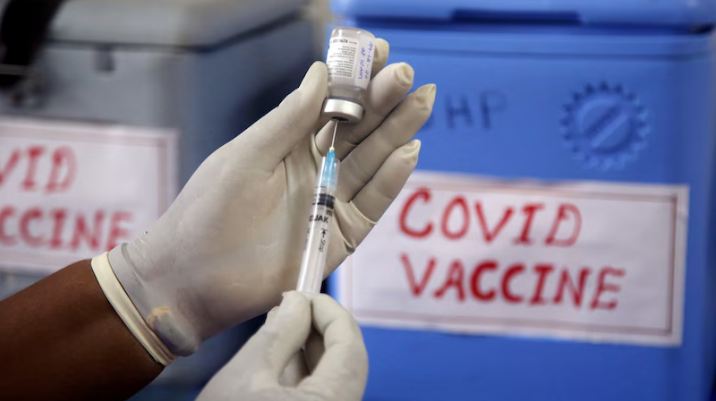
- Vaccination Campaigns: Vaccination is one of the most effective ways to prevent the spread of infectious diseases. Campaigns focus on immunizing children and adults against diseases such as measles, influenza, and COVID-19. For example, global vaccination efforts have led to the eradication of smallpox and significant reductions in polio.
- Routine Screenings: Regular screenings for diseases such as cancer, diabetes, and hypertension help in early detection and treatment. Programs like mammography for breast cancer and colonoscopy for colorectal cancer can significantly reduce mortality rates.
2. Health Education and Promotion
Education is key to empowering individuals to make informed health choices:
- Public Awareness Campaigns: Campaigns aimed at educating the public about healthy lifestyles, nutrition, and the dangers of smoking and excessive alcohol consumption help in promoting healthier behaviors. For example, anti-smoking campaigns have contributed to reduced smoking rates and lower incidence of related diseases.
- School Health Programs: Educational programs in schools teach children about healthy eating, physical activity, and mental health. These initiatives lay the foundation for lifelong health habits and contribute to overall well-being.
3. Maternal and Child Health Programs
Ensuring the health of mothers and children is a priority in public health:
- Prenatal and Postnatal Care: Programs that provide prenatal care, including regular check-ups and nutritional support, help ensure healthy pregnancies and reduce complications. Postnatal care focuses on the health of new mothers and their infants.
- Child Nutrition Programs: Initiatives such as school meal programs and nutritional supplements for children in low-income families help combat malnutrition and promote healthy growth.
4. Mental Health Initiatives
Mental health is a critical aspect of overall well-being:
- Mental Health Awareness: Programs aimed at reducing the stigma surrounding mental health issues and providing education about mental illnesses are essential. Awareness campaigns can lead to increased acceptance and support for individuals facing mental health challenges.
- Access to Services: Ensuring access to mental health services, including counseling and therapy, is vital. Public health initiatives often focus on expanding mental health services and integrating them into primary care settings.
5. Emergency Preparedness and Response
Preparing for and responding to health emergencies is crucial:
- Disaster Preparedness: Public health initiatives include plans and strategies for responding to natural disasters, pandemics, and other emergencies. These plans involve coordinating with various agencies, conducting drills, and ensuring the availability of resources.
- Crisis Intervention: During health emergencies, such as disease outbreaks or natural disasters, rapid response teams and public health officials work to contain the situation, provide medical care, and communicate critical information to the public.
Impact of Public Health Initiatives
1. Reduction in Disease Burden
Public health initiatives significantly reduce the burden of diseases:
- Lower Incidence Rates: Vaccination programs and disease prevention efforts lead to lower rates of infectious diseases. For example, widespread vaccination against measles has dramatically reduced cases worldwide.
- Improved Health Outcomes: Health education and preventive care contribute to better health outcomes. Early detection and treatment of diseases result in improved survival rates and quality of life.
2. Cost Savings
Investing in public health initiatives can lead to substantial cost savings:
- Reduced Healthcare Costs: Preventive measures, such as vaccinations and screenings, can reduce the need for more expensive treatments and hospitalizations. This results in lower overall healthcare costs.
- Economic Productivity: Healthy populations are more productive and contribute positively to the economy. Reducing illness and improving health can lead to increased workforce participation and economic growth.
3. Enhanced Quality of Life
Public health initiatives improve the overall quality of life:
- Healthier Communities: Programs that promote healthy lifestyles and provide access to medical care contribute to the well-being of communities. People lead healthier, more fulfilling lives as a result.
- Increased Longevity: By addressing health risks and promoting preventive care, public health initiatives contribute to longer life expectancy and better health in older age.
Challenges and Future Directions
1. Addressing Health Inequities
Public health initiatives must address disparities in healthcare access and outcomes:
- Equitable Access: Ensuring that all individuals, regardless of socioeconomic status, have access to health services is essential. Programs must target underserved communities and address barriers to care.
- Cultural Competence: Public health initiatives should be culturally sensitive and tailored to meet the diverse needs of different populations. This includes providing information and services in multiple languages and respecting cultural practices.
2. Adapting to Emerging Health Threats
The public health landscape is constantly evolving:
- New Diseases: Emerging infectious diseases and health threats require adaptable strategies and rapid response. Public health initiatives must be flexible and responsive to new challenges.
- Technological Advances: Leveraging technology, such as telemedicine and data analytics, can enhance public health efforts. Integrating technology into initiatives can improve efficiency and reach.
Conclusion
Public health initiatives are vital for improving community health and well-being. From disease prevention and health education to mental health support and emergency preparedness, these initiatives address a wide range of health challenges. By understanding and supporting public health programs, we contribute to a healthier, more resilient society. As we face new health threats and opportunities, ongoing commitment to public health will remain crucial in shaping a healthier future for all.