
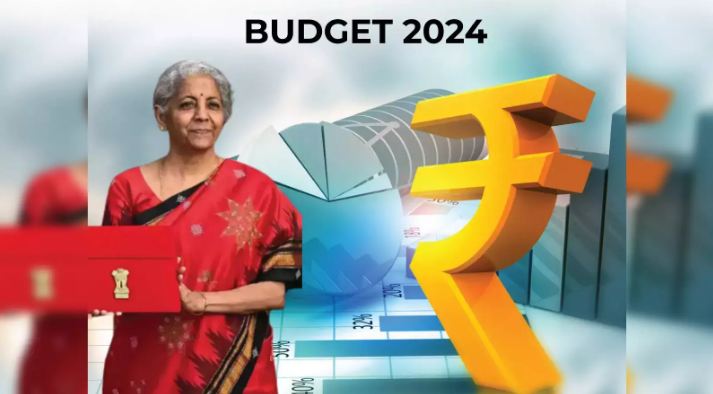
Budget 2024, unveiled by Finance Minister Nirmala Sitharaman, brings a range of new measures aimed at various sectors of the economy. This year’s budget, presented by the Modi government, is designed to address the needs of the middle-class, students, investors, and more. As we delve into the details, we’ll explore how these changes could impact your finances and daily life.
Understanding Budget 2024: What It Means for You
Tax Changes in Budget 2024: What’s New for the Middle-Class?
How Will Budget 2024 Affect Your Taxes?
Budget 2024 introduces several tax changes that could influence your financial planning. Here’s a breakdown of the key updates:
- Short-term Capital Gains Tax: The tax rate on short-term gains from financial assets is now set at 20%.
- Long-term Capital Gains Tax: For long-term gains on all assets, the tax rate is 12.5%.
- Capital Gains Exemption Limit: The annual exemption limit for capital gains on financial assets has been raised to Rs 1.25 lakh.
- Angel Tax: The tax on angel investments has been abolished for all investor classes.
CA Pitam Goel, Co-Founder of Tattvam Group, highlights a potential concern. “The increase in Securities Transaction Tax (STT) rates for derivatives and futures could be problematic. With rates rising to 0.1% for derivatives and 0.02% for futures, and the increase in capital gains tax for listed equity instruments to 12.5%, investors may face some challenges. Additionally, taxing buy-back proceeds as dividends might affect companies that use this route for profit distribution and restructuring,” he explains.
New Income Tax Slabs
The new income tax slabs introduced in Budget 2024 are:
- Up to Rs 3 lakh: No tax
- Rs 3,00,001 to Rs 7 lakh: 5%
- Rs 7,00,001 to Rs 10 lakh: 10%
- Rs 10,00,001 to Rs 12 lakh: 15%
- Rs 12,00,001 to Rs 15 lakh: 20%
- Above Rs 15 lakh: 30%
Additionally, the standard deduction has increased from Rs 50,000 to Rs 75,000 for the new tax regime. The deduction on family pensions has also been raised from Rs 15,000 to Rs 25,000. Furthermore, Budget 2024 reduces TDS on life insurance policy payouts from 5% to 2%.
Parimal Heda, Chief Investment Officer at Go Digit General Insurance, notes the benefits. “The reduction in TDS for insurance commissions and life insurance policy payouts will lead to higher receipts for individual policyholders and insurance agents.”
What’s Missing?
Despite these changes, some areas remain unaddressed. Deepanker Mahajan, Co-Founder and CEO of CoverYou, points out that the deduction limit on health insurance premiums under Section 80D has not been updated for nine years. “With medical inflation at 14% in India, it’s crucial to adjust the deduction limit to match inflation. This would provide necessary financial relief and encourage more people to take up health insurance,” he suggests.
Housing: How Budget 2024 Addresses Home Buyers and Renters
New Policies for Housing Needs
Budget 2024 promises substantial investments under the PM Awas Yojana (Urban) 2.0, with Rs 10 trillion allocated to meet the housing needs of 1 crore urban poor and middle-class families. This budget also includes measures to improve rental housing markets.
Mohit Jain, Managing Director at Krisumi Corporation, shares insights. “The budget’s focus on expanding homes under PMAY (U), developing transit infrastructure, and promoting creative city redevelopment is expected to enhance livability. Measures such as moderating stamp duty for women buyers and improving land records digitization will drive modernization and economic growth.”
Employment: New Initiatives in Budget 2024
What Does Budget 2024 Offer Job Seekers?
To meet the demand for jobs, Budget 2024 outlines several key initiatives:
- Wage Incentives: New entrants in formal sectors will receive a one-month wage up to Rs 15,000 in three instalments. This is expected to benefit 210,000 youth.
- EPFO Contributions: Employers will receive incentives for EPFO contributions for the first four years, benefiting 3 million youth.
- Government Reimbursement: The government will reimburse employers’ EPFO contributions up to Rs 3,000 per month for two years for new hires, potentially creating 5 million jobs.
- Support for Women: Hostels and creches will support women’s workforce participation.
- Student Loans: Loans up to Rs 7.5 lakh with a government guarantee will aid 25,000 students annually. Higher education loans up to Rs 10 lakh will be available, along with e-vouchers for 100,000 students and a 3% interest subvention.
- Skill Development: Initiatives to train 5 million youth over five years and upgrade 1,000 Industrial Training Institutes are included.
Electricity: Benefits Under PM Surya Ghar Muft Bijli Yojana
Free Power for Households
The PM Surya Ghar Muft Bijli Yojana will provide up to 300 units of free electricity per month to 10 million households. So far, there have been 12.8 million registrations and 1.4 million applications.
NPS Vatsalya: A New Plan for Children
Introducing NPS Vatsalya
The budget introduces NPS Vatsalya, allowing parents and guardians to contribute towards their minor children’s future. Once the child turns 18, the plan can convert into a non-NPS scheme, offering flexibility and ongoing support.
Import Duties: What’s Changed?
Key Changes in Import Duties
Budget 2024 reduces import duties on gold and silver from 15% to 6%. This move aims to boost retail demand and curb smuggling. The budget also offers an import duty exemption for 25 critical minerals, including lithium for electric vehicle batteries.
Here’s What’s Gotten Cheaper:
- Solar sets
- Mobile phones, parts, batteries, and chargers
- Cancer medicines
- Gold, silver, and platinum jewellery
- Clothes and shoes
- X-ray equipment
- Electric cars and lithium batteries
- Copper and leather goods
- Fish and fish products
- 25 essential minerals
Here’s What’s Gotten Costlier:
- Plastic goods
- Telecom equipment
Conclusion
Budget 2024 brings a mix of new opportunities and challenges. Whether it’s tax changes, housing policies, job creation, or import duties, the new measures are set to impact various aspects of our lives. Stay informed and plan accordingly to make the most of the upcoming changes.


