The latest climate change report reveals alarming trends and urgent actions needed. Discover how these findings impact our future and what we can do.
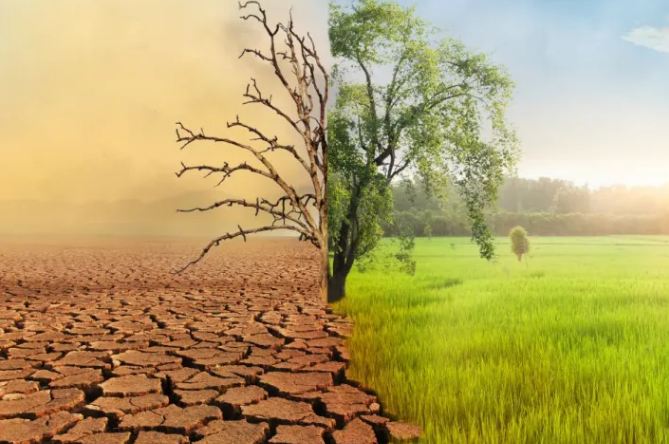
The latest climate change report has unveiled critical data about our planet’s health, highlighting the urgent need for action. As global temperatures rise and extreme weather events become more frequent, the consequences of climate change are becoming increasingly evident. This comprehensive article delves into the key findings of the report, its implications, and the steps we can take to mitigate the effects of climate change.
Table of Contents:
- Overview of the Latest Climate Change Report
- Key Findings and Data
- Impacts on the Environment
- Human Health and Societal Effects
- Economic Consequences
- Mitigation Strategies
- The Role of Governments and Organizations
- Individual Actions and Community Involvement
Overview of the Latest Climate Change Report The latest climate change report, released by leading scientists and environmental organizations, provides a comprehensive analysis of the current state of our planet. It highlights the urgent need for action to address the growing threat of climate change.
Key Findings and Data The report presents alarming data on rising global temperatures, melting ice caps, and increasing greenhouse gas emissions. It emphasizes the accelerating pace of climate change and the need for immediate and sustained efforts to reduce emissions and protect our environment.
Impacts on the Environment The findings of the latest climate change report reveal significant impacts on ecosystems and biodiversity. Rising temperatures and changing weather patterns disrupt habitats, leading to the loss of species and ecosystems. Coral reefs, forests, and polar regions are particularly vulnerable, facing severe threats from climate change.
Human Health and Societal Effects Climate change poses serious risks to human health and well-being. The report highlights the increase in heat-related illnesses, respiratory problems due to air pollution, and the spread of vector-borne diseases. Additionally, extreme weather events such as hurricanes, floods, and droughts have devastating effects on communities, leading to displacement and loss of livelihoods.
Economic Consequences The economic impact of climate change is substantial. The report details the costs associated with extreme weather events, damage to infrastructure, and the loss of agricultural productivity. It emphasizes the need for investments in renewable energy, sustainable practices, and resilient infrastructure to mitigate these economic challenges.
Mitigation Strategies To combat the effects of climate change, the report outlines various mitigation strategies. These include transitioning to renewable energy sources, improving energy efficiency, and reducing deforestation. It also emphasizes the importance of international cooperation and policy changes to achieve significant emission reductions.
The Role of Governments and Organizations Governments and organizations play a crucial role in addressing climate change. The report calls for stronger policies, regulations, and incentives to promote sustainable practices and reduce carbon emissions. It highlights successful initiatives and partnerships that have made a positive impact on the environment.
Individual Actions and Community Involvement While systemic changes are essential, individual actions also contribute to mitigating climate change. The report encourages individuals to adopt sustainable lifestyles, reduce waste, conserve energy, and support environmental causes. Community involvement and grassroots movements are also vital in driving local and global efforts to combat climate change.