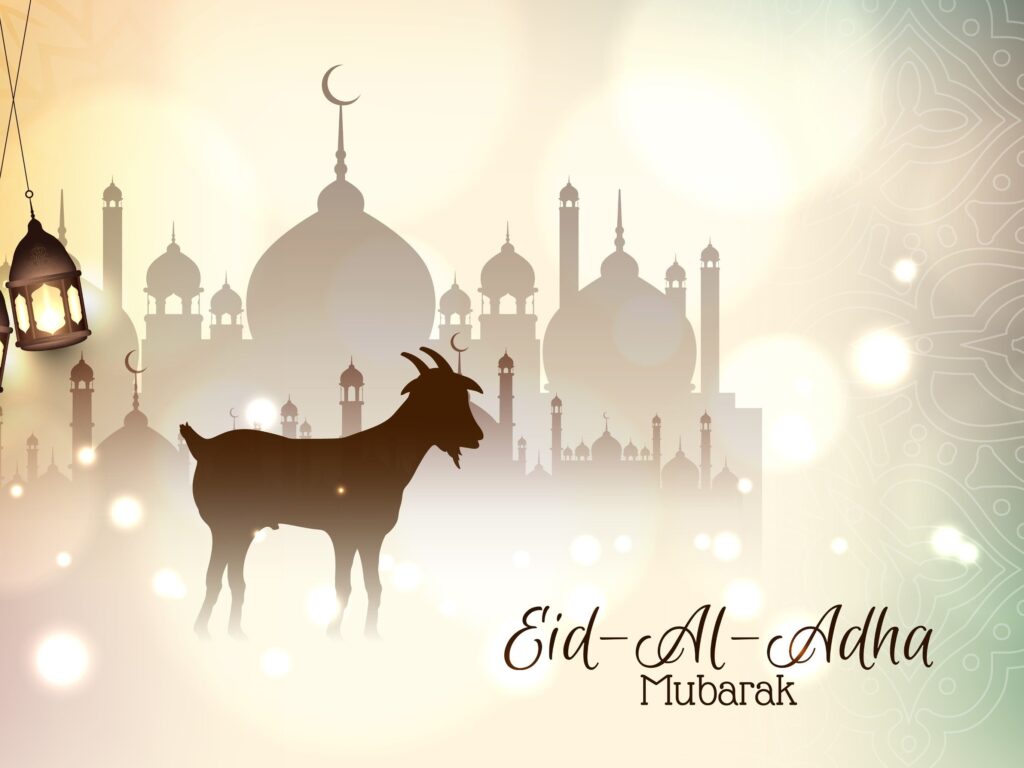
Eid ul-Adha, also known as the Feast of Sacrifice or Bakrid, is one of the most significant festivals in Islam. Celebrated with immense joy and devotion by Muslims worldwide, this holy occasion commemorates the profound act of obedience and faith demonstrated by Prophet Ibrahim (Abraham).
History of Eid ul-Adha
The origins of Eid ul-Adha are deeply rooted in the story of Prophet Ibrahim and his son Isma’il (Ishmael). According to the Quran (Surah As-Saffat, verses 99-113), Ibrahim received a divine command in a dream to sacrifice his beloved son as a test of his faith. As he prepared to carry out this act of submission, God intervened and provided a ram to be sacrificed instead. This event underscores the importance of faith, sacrifice, and obedience in Islam.
Significance of Eid ul-Adha
Eid ul-Adha holds profound religious significance for Muslims. Here are the key aspects that make this festival special:
- Observance of Hajj
- Eid ul-Adha coincides with the culmination of the Hajj pilgrimage to Mecca, which is one of the Five Pillars of Islam. While millions of Muslims perform Hajj, those not participating in the pilgrimage also celebrate Eid ul-Adha, emphasizing unity and solidarity within the global Muslim community.
- Feast and Charity
- The festival is marked by special prayers, feasting, and the exchange of gifts among family and friends. In remembrance of Ibrahim’s sacrifice, Muslims traditionally sacrifice an animal, such as a goat, sheep, cow, or camel. The meat from the sacrifice is divided into three parts: one for the family, one for relatives and friends, and one for the needy. This act of sharing symbolizes generosity, compassion, and community support.
- Spiritual Reflection
- It encourages Muslims to reflect on the values of sacrifice and service to others. It is a time to emphasize compassion, humility, and gratitude for God’s blessings. The festival serves as a reminder of the importance of these virtues in daily life.
- Community and Unity
- Eid ul-Adha fosters a sense of community and unity among Muslims, transcending geographical and cultural boundaries. It reinforces the importance of family ties and social harmony as Muslims come together to celebrate and strengthen their faith.
How to Celebrate Eid ul-Adha
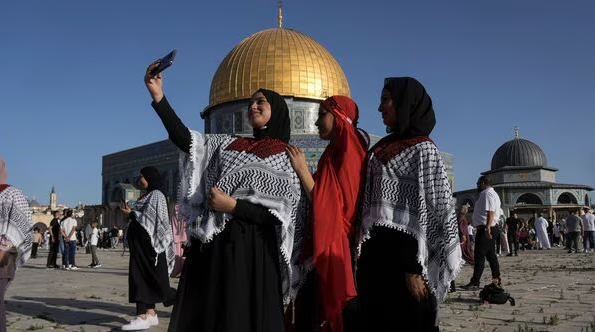
Here is how Muslims typically observe and celebrate Eid ul-Adha:
- Special Prayers
- The day begins with a special prayer service held at mosques or open grounds. These prayers, known as Salat al-Eid, are usually followed by a sermon that emphasizes the importance of faith, sacrifice, and charity.
- Animal Sacrifice
- After the prayers, Muslims perform the ritual sacrifice of an animal. This act is known as Qurbani or Udhiya. The meat from the sacrifice is distributed in accordance with Islamic tradition, ensuring that the less fortunate are included in the celebrations.
- Feasting and Social Gatherings
- Families gather to enjoy festive meals and share the sacrificial meat. It is a time for social gatherings, where friends and relatives come together to celebrate, exchange gifts, and enjoy each other’s company.
- Charitable Acts
- Eid ul-Adha is also a time for increased charitable activities. Muslims are encouraged to donate to the needy, ensuring that everyone can participate in the festivities and share in the joy of the occasion.
Conclusion – Eid ul-Adha
Eid ul-Adha, the Feast of Sacrifice, is a deeply meaningful festival that celebrates faith, obedience, and the spirit of giving. It is a time for Muslims worldwide to come together, reflect on their blessings, and reinforce the values of compassion and community. By understanding the history and significance of Eid ul-Adha, we can appreciate the profound impact this festival has on the lives of millions of people.