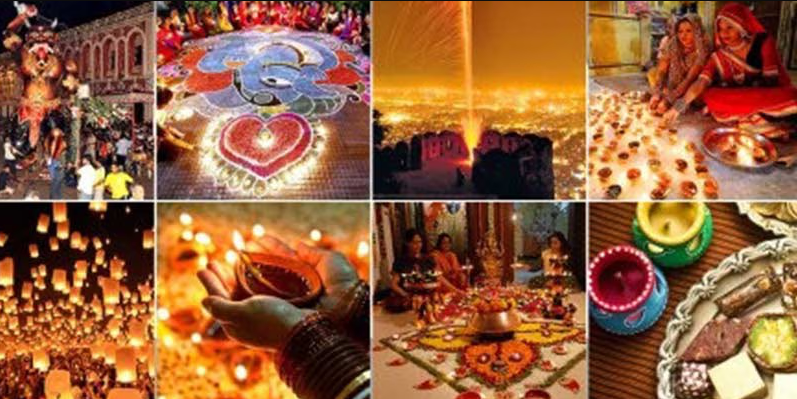
India is a land of vibrant festivals, each offering a unique glimpse into the country’s rich culture and traditions. As we look forward to 2024, let’s dive into the upcoming Indian festivals in 2024. This comprehensive guide will provide you with all the details you need to plan your celebrations and immerse yourself in the spirit of these joyous occasions.
Celebrating Indian festivals
Celebrating Indian festivals is more than just participating in rituals; it’s about experiencing the deep-rooted traditions, unity, and joy that these occasions bring. They provide a sense of belonging, strengthen family bonds, and offer an opportunity to reflect on our heritage. Moreover, festivals are a time for indulging in delicious food, wearing vibrant attire, and making unforgettable memories.
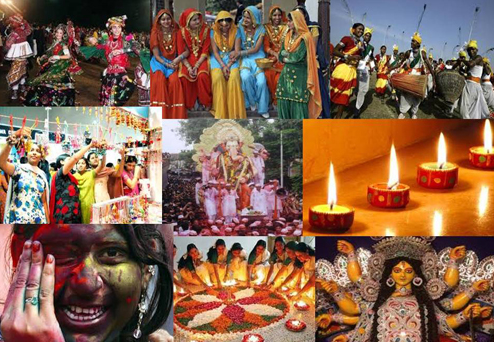
January: Welcoming the New Year with Joy
Makar Sankranti (January 14)
Makar Sankranti marks the transition of the sun into the zodiac sign of Capricorn. It is celebrated with kite flying, bonfires, and traditional sweets made from sesame and jaggery. This festival symbolizes the end of winter and the beginning of longer days.
Pongal (January 15-18)
Pongal is a four-day harvest festival celebrated in Tamil Nadu. It is a time to thank the Sun God and nature for a bountiful harvest. People decorate their homes, prepare sweet rice dishes called Pongal, and participate in cultural events.
February: The Month of Love and Devotion
Vasant Panchami (February 10)
Vasant Panchami is dedicated to Saraswati, the goddess of knowledge and arts. It marks the arrival of spring. People wear yellow, prepare traditional foods, and worship Saraswati for wisdom and learning.
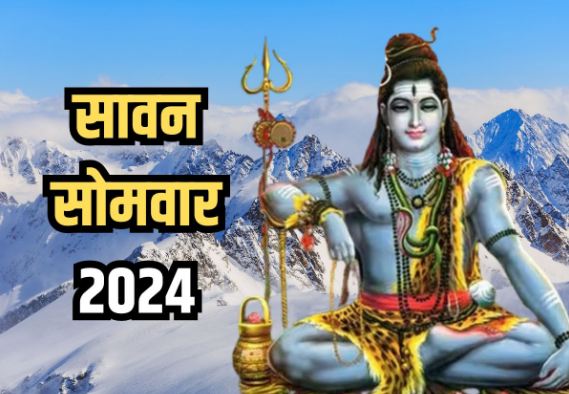
Maha Shivaratri (February 29)
Maha Shivaratri is a significant Hindu festival dedicated to Lord Shiva. Devotees fast, chant prayers, and stay awake all night in reverence to Shiva. Temples are adorned with flowers, and the atmosphere is filled with the sound of devotional music.
March: Festival of Colors and New Beginnings
Holi (March 25)
Holi, the festival of colors, is one of the most vibrant and joyous festivals in India. People play with colors, dance to traditional music, and enjoy festive foods like gujiya and thandai. Holi signifies the victory of good over evil and the arrival of spring.
April: Celebrating Harvest and New Year
Baisakhi (April 13)
Baisakhi is a harvest festival celebrated primarily in Punjab. It marks the beginning of the new harvest season and the Punjabi New Year. People dress in traditional attire, perform Bhangra and Gidda dances, and visit gurudwaras to seek blessings.
Ram Navami (April 18)
Ram Navami celebrates the birth of Lord Rama. Devotees participate in processions, visit temples, and recite Ramayana stories. This festival signifies the triumph of righteousness and the importance of dharma (duty).
May: Honoring Wisdom and Gratitude
Buddha Purnima (May 23)
Buddha Purnima commemorates the birth, enlightenment, and death of Gautama Buddha. Devotees visit Buddhist temples, meditate, and participate in processions. It is a time for reflecting on Buddha’s teachings of peace, compassion, and non-violence.
August: Independence and Devotion
Raksha Bandhan (August 19)
Raksha Bandhan celebrates the bond between brothers and sisters. Sisters tie a protective thread (rakhi) on their brothers’ wrists, and brothers promise to protect their sisters. The festival is marked by the exchange of gifts and sweets.
Janmashtami (August 26)
Janmashtami celebrates the birth of Lord Krishna. Devotees fast, sing devotional songs, and participate in Dahi Handi events. Temples are beautifully decorated, and midnight prayers mark the moment of Krishna’s birth.
September: Celebrating Wisdom and Prosperity
Ganesh Chaturthi (September 7)
Ganesh Chaturthi marks the birth of Lord Ganesha, the remover of obstacles. The festival lasts for ten days, with grand processions and the immersion of Ganesha idols in water. People decorate their homes, prepare special sweets like modak, and seek Ganesha’s blessings for prosperity and success.
October: The Festival of Lights
Navratri (October 2-10)
Navratri is a nine-night festival dedicated to Goddess Durga. People participate in Garba and Dandiya dances, fast, and worship different forms of Durga each day. Navratri culminates with Dussehra, which celebrates the victory of Lord Rama over the demon king Ravana.
Dussehra (October 11)
Dussehra, also known as Vijayadashami, signifies the triumph of good over evil. Effigies of Ravana are burnt to symbolize the victory of Lord Rama. People enact scenes from the Ramayana, participate in processions, and enjoy fairs.
November: Lights, Prosperity, and Gratitude – the most auspicious of Indian Festivals
Diwali (November 1)
Diwali, the festival of lights, is one of the most significant and widely celebrated Indian festivals. It marks the return of Lord Rama to Ayodhya after 14 years of exile. Homes are decorated with lamps and rangoli, people wear new clothes, exchange sweets, and burst fireworks. Diwali signifies the victory of light over darkness and good over evil.
December: Spreading Joy and Warmth
Christmas (December 25)
Christmas is celebrated with great enthusiasm by Christians across India. People attend midnight mass, decorate Christmas trees, exchange gifts, and enjoy festive meals. The festival spreads a message of love, joy, and goodwill.
Conclusion – Indian festivals
Indian festivals are a testament to the country’s rich cultural diversity and deep-rooted traditions. By marking your calendar with the upcoming Indian festivals in 2024, you can prepare to fully immerse yourself in these joyous celebrations. Whether you’re looking to experience vibrant colors, indulge in delicious food, or participate in traditional rituals, these festivals offer something for everyone. Celebrate with family, friends, and community, and make unforgettable memories throughout the year.