

Black Founders Pioneering AI Innovation
The rise of artificial intelligence (AI) has brought transformative tools like ChatGPT into the spotlight. However, many mainstream AI models lack cultural nuance, which has prompted Black founders to develop customized ChatGPT versions for a more personalized experience. This article delves into the efforts of Black entrepreneurs who are creating AI tools that better represent and serve Black and brown communities.
The Need for Culturally Nuanced AI
John Pasmore, a seasoned AI enthusiast, was initially thrilled about ChatGPT. Having been in the AI field since 2008, he witnessed the rapid evolution of technology that experts once believed would take decades to materialize. However, Pasmore soon realized that ChatGPT, despite its capabilities, fell short in cultural nuance. This realization sparked frustration among many Black users who felt underrepresented by the Eurocentric biases in AI algorithms.
Launching Tailored AI Models
Pasmore decided to tackle this issue head-on by creating Latimer.AI, a language model designed to reflect the experiences of Black and brown people. Unlike traditional AI models that rely heavily on internet-scraped data, Latimer.AI focuses on accuracy and cultural relevance by utilizing sources like Amsterdam News, one of the oldest Black newspapers in the U.S.
Other Notable AI Initiatives
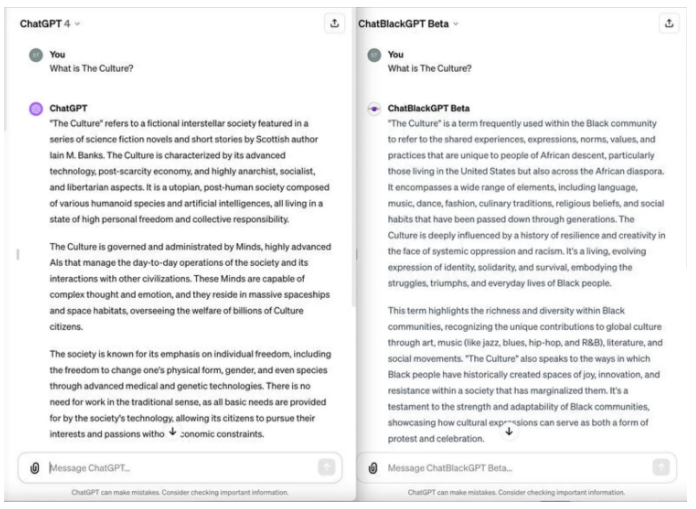
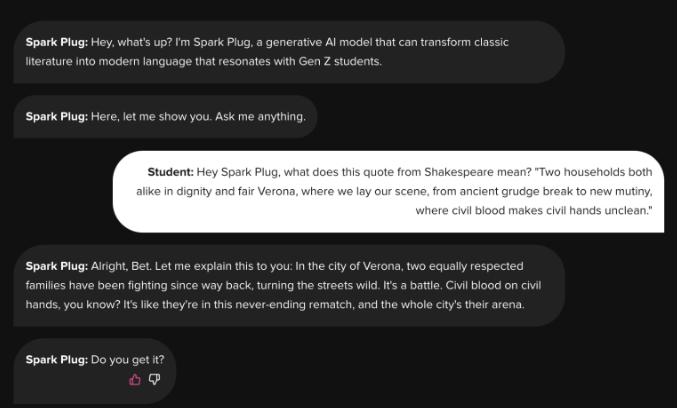
Pasmore is not alone in this mission. Erin Reddick launched ChatBlackGPT, a chatbot specifically designed for Black and brown communities. This tool prioritizes culturally relevant information, ensuring users receive responses that resonate with their experiences. Meanwhile, Tamar Huggins founded Spark Plug, a Canada-based AI model catering to Black and brown students globally.
Addressing Cultural Nuances in AI
General AI models often fail to capture the intricacies of African American culture, as many traditions and dialects are passed down orally rather than documented online. This gap in data results in AI models that lack cultural sensitivity. By focusing on culturally specific sources and training data, tailored AI models like Latimer.AI and ChatBlackGPT offer more accurate and relevant answers.
Expanding AI’s Reach in Africa
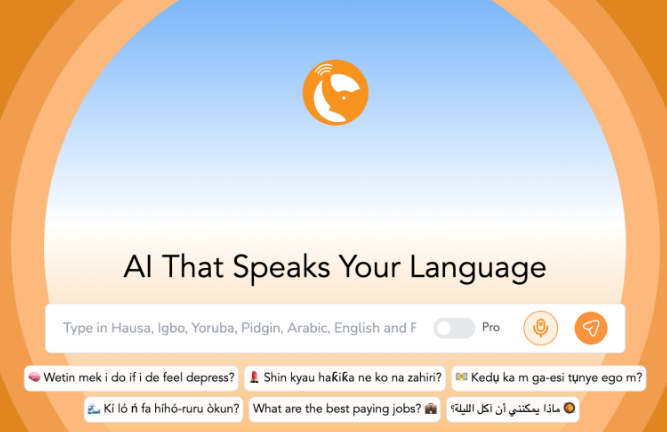
The need for culturally nuanced AI models extends beyond the United States. In Africa, where over 2,000 languages are spoken, Western AI models often overlook local dialects and traditions. Innovators like Yinka Iyinolakan have developed CDIAL.AI, a chatbot that understands and speaks nearly all African languages and dialects, focusing on speech patterns rather than text.
Educational Impact of Tailored AI
Huggins’ Spark Plug translates educational material into African American Vernacular English (AAVE), ensuring Black students see themselves reflected in their education. This focus on inclusivity and accuracy helps create a more engaging and effective learning experience. By capturing the essence of AAVE, Spark Plug not only responds using the dialect but also enables students to write prompts that yield the desired results.
Beyond Chatbots: Diversifying AI Representation
The efforts of Black founders to create tailored AI models are not limited to chatbots. Steve Jones and DeSean Brown’s company, pocstock, addresses the lack of diversity in stock images by creating a database featuring people of color. This initiative helps train AI models to produce more inclusive visuals, addressing biases in the representation of minorities.
The Future of Personalized AI
The development of tailored ChatGPTs by Black founders like Pasmore, Reddick, and Huggins is a significant step towards creating AI that truly reflects diverse cultural experiences. As AI continues to evolve, it is crucial for more people of color to get involved in developing their own AI platforms and creating AI-related jobs. By doing so, they can ensure that AI technology is inclusive and representative of all communities.
Conclusion: A Call to Action for Inclusive AI Development
The future of AI lies in personalization and cultural sensitivity. With innovators like John Pasmore leading the way, the AI landscape is set to become more inclusive, ensuring that all users feel seen and understood. The journey towards truly personalized AI has just begun, and its potential impact on society is immense. By embracing and supporting these initiatives, we can pave the way for a more inclusive and equitable AI future.


