Climate Change – Understanding the Heat
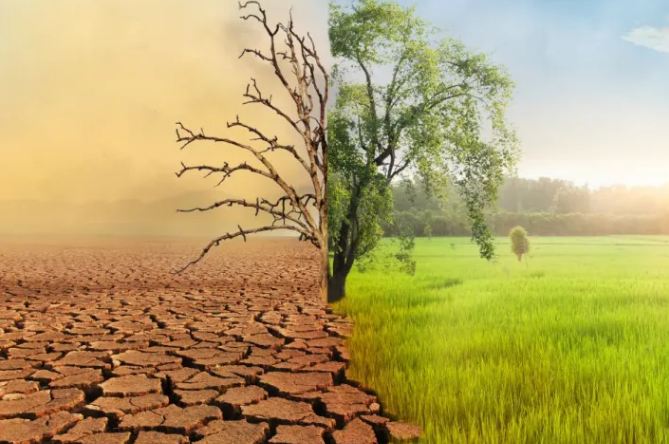
As temperatures rise in various parts of the world, the question arises: Is Earth becoming too hot for human survival? Scientists have been studying this critical issue, providing valuable insights into how our bodies cope with extreme heat and the role climate change plays in this scenario.
How Our Bodies Cool Down
When it’s hot outside, especially in dry areas, our bodies use sweat to cool down. Sweating evaporates water from our skin, taking heat away and helping us maintain a normal body temperature. This natural cooling mechanism works well in dry climates where sweat can easily evaporate.
Challenges in Hot and Humid Climates, especially with this Climate Change
However, the situation becomes more complex in hot and humid climates. In regions where hot deserts are close to warm oceans, the air can become dangerously humid. In such environments, sweat doesn’t evaporate as efficiently, making it harder for our bodies to cool down. This combination of heat and humidity can be life-threatening.
Heatwaves in Vulnerable Regions
Countries in the Middle East, Pakistan, and India often experience severe heatwaves combined with high humidity. These conditions can be deadly, especially in areas where air conditioning is not widely available. Hundreds of millions of people live in these regions, facing significant health risks during extreme weather events.
The Role of Wet Bulb Thermometers
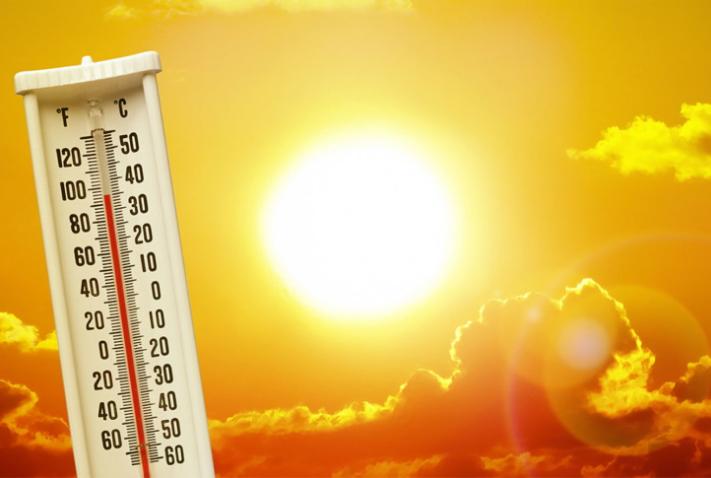
To better understand these risks, scientists use a tool called a wet bulb thermometer. This device measures the temperature while allowing water to evaporate from a damp cloth. When the wet bulb temperature exceeds 95°F (35°C), it indicates that the human body can’t release enough heat, making prolonged exposure potentially fatal.
Recent Heatwaves and Their Impact
For instance, during a severe heatwave in 2023, the lower Mississippi Valley experienced dangerously high wet bulb temperatures, although they didn’t reach fatal levels. In Delhi, India, temperatures soared above 120°F (49°C) for several days in May 2024. The wet bulb temperatures came alarmingly close to the danger zone, resulting in several deaths due to suspected heatstroke. In such conditions, taking precautions is essential.
Link to Climate Change
Climate change significantly influences these extreme weather patterns. Burning fossil fuels like coal and gasoline releases carbon dioxide (CO2) into the atmosphere. This greenhouse gas traps the Sun’s heat, leading to global warming. As temperatures rise, hot and humid weather conditions spread to more regions.
Impact on the United States
In the United States, areas along the Gulf Coast, including Louisiana and Texas, are increasingly at risk of experiencing dangerously hot and humid summers. Similarly, heavily irrigated areas in the desert Southwest, where water sprayed over fields adds moisture to the atmosphere, face similar threats.
Broader Effects of Climate Change
Climate change brings more than just uncomfortable weather. Hotter air evaporates more water, drying out crops, forests, and landscapes, making them more susceptible to wildfires. Each degree Celsius of warming can multiply wildfire risk in parts of the western U.S. Moreover, warming causes ocean water to expand, threatening coastal regions with flooding. Rising sea levels could displace up to 2 billion people by 2100.
Economic Implications
The economic impact of climate change is profound. If we continue to burn fossil fuels, global incomes could decrease by about 25% by the end of the century due to the various disruptions caused by climate change.
Solutions: The Good News and the Bad News
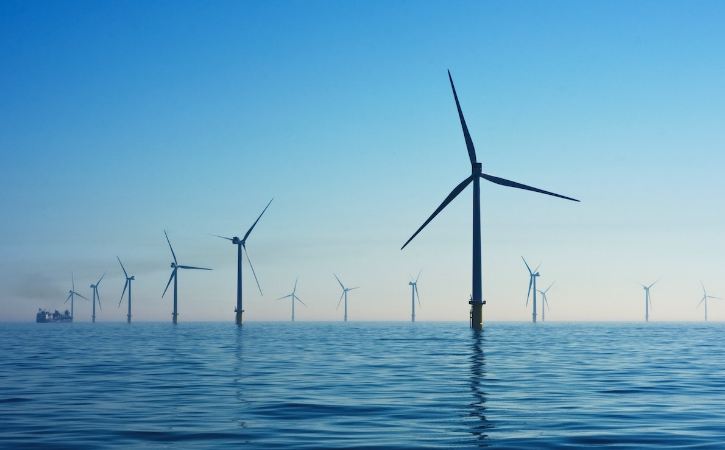
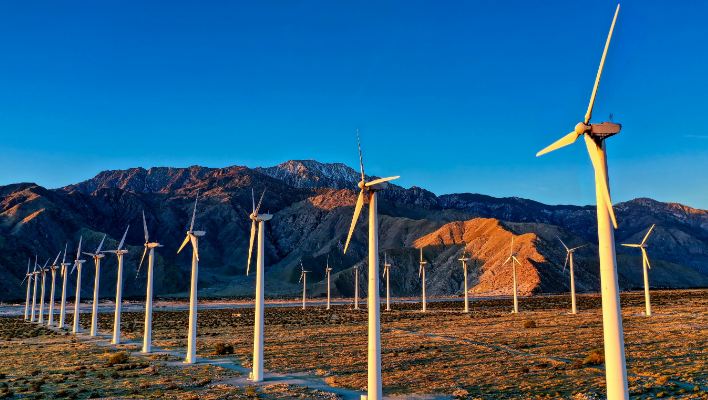
There are both challenges and opportunities when addressing climate change. The bad news is that as long as we burn carbon, temperatures will continue to rise. The good news, however, is that we have viable alternatives. Clean energy sources like solar and wind power can replace fossil fuels, reducing our carbon footprint and helping mitigate climate change.
Progress in Clean Energy
Over the past 15 years, tremendous progress has been made in making clean energy reliable and affordable. Nearly every country has committed to combating climate change and reducing carbon emissions to prevent further damage.
A Brighter Future
Just as humanity transitioned from outhouses to indoor plumbing, we can move from coal, oil, and gas to clean energy. By embracing renewable energy sources, we can ensure a sustainable and livable future for generations to come.
Stay tuned to ‘Not Viral’ for more updates on climate change, clean energy, and environmental sustainability. Together, we can make a difference and protect our planet.