
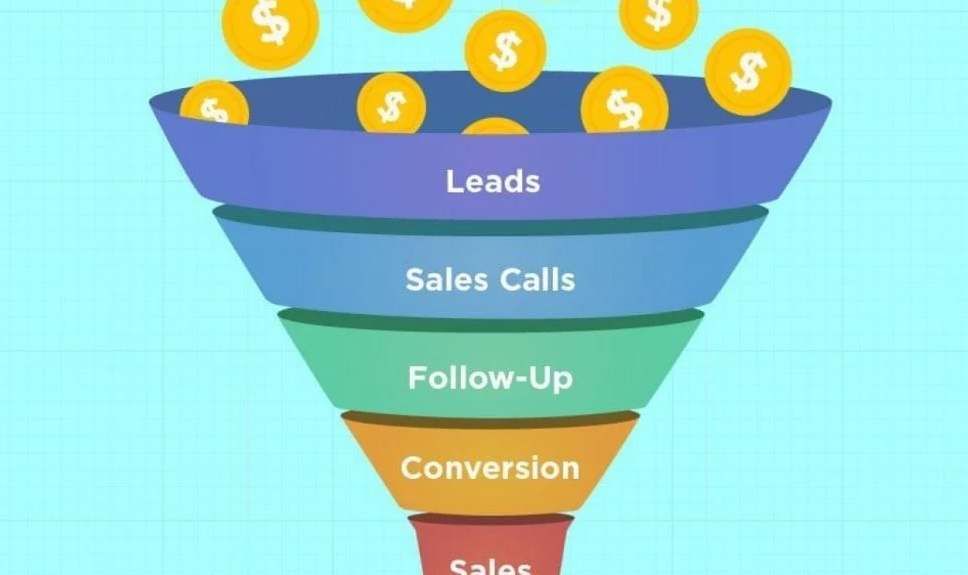
Creating a sales funnel on your website involves several steps, from understanding your target audience to implementing the funnel stages effectively. Here’s a detailed guide to help you set up a successful sales funnel on your website:
Step-by-Step Guide to Creating a Sales Funnel on Your Website
Understand Your Target Audience
Before you start creating a funnel, it’s crucial to understand your target audience. Conduct market research to identify their needs, preferences, and pain points. This information will help you create content and offers that resonate with your audience.
Define Your Funnel Stages
A typical sales funnel consists of the following stages:
- Awareness: Attract potential customers to your website.
- Interest: Engage them with valuable content.
- Consideration: Offer solutions and build trust.
- Conversion: Convert leads into customers.
- Retention: Keep customers engaged and encourage repeat business.
Create a Lead Magnet
A lead magnet is an incentive you offer to potential customers in exchange for their contact information. It could be an eBook, a free trial, a discount code, or a webinar. Ensure your lead magnet provides real value and addresses a specific pain point of your audience.
Design a Landing Page
Create a dedicated landing page for your lead magnet. This page should include:
- A compelling headline.
- A brief description of the offer.
- A form to collect visitor information (e.g., name and email address).
- A clear call-to-action (CTA).
Drive Traffic to Your Landing Page
Use various marketing strategies to drive traffic to your landing page:
- Content Marketing: Write blog posts, articles, and guides related to your niche.
- Social Media Marketing: Promote your content on social media platforms.
- Email Marketing: Send newsletters to your existing email list.
- Paid Advertising: Use Google Ads, Facebook Ads, or other PPC campaigns.
Nurture Leads with Email Marketing
Once you have collected leads, nurture them through email marketing. Create an email sequence that provides valuable information, builds trust, and guides them toward making a purchase. Your email sequence might include:
- A welcome email.
- Educational content related to their interests.
- Case studies or testimonials.
- Limited-time offers or discounts.
Offer Valuable Content
Throughout the funnel, provide valuable content that helps solve your audience’s problems. This could include blog posts, videos, infographics, and more. Ensure that each piece of content is aligned with the specific stage of the funnel it targets.
Use Retargeting Ads
Retargeting ads help you reach visitors who have shown interest in your products or services but haven’t converted yet. Use retargeting ads to remind them of your offers and encourage them to return to your site.
Optimize the Checkout Process
Make the checkout process as smooth as possible. Reduce friction by minimizing the number of steps required to complete a purchase. Offer multiple payment options and ensure the process is secure.
Monitor and Optimize Your Funnel
Regularly analyze your funnel’s performance using tools like Google Analytics. Identify drop-off points and areas where you can improve. A/B test different elements of your funnel, such as headlines, CTAs, and email sequences, to optimize conversions.
Use CRM Tools
Customer Relationship Management (CRM) tools help you manage and analyze customer interactions. Use CRM software to track leads, manage email campaigns, and analyze customer behavior. Popular CRM tools include HubSpot, Salesforce, and Zoho CRM.
Tools and Plugins for Creating a Funnel on Your Website
Landing Page Builders:
Unbounce: Allows you to create and A/B test landing pages.
Leadpages: Offers drag-and-drop landing page creation.
Elementor: A WordPress plugin for creating custom landing pages.
Email Marketing Platforms:
Mailchimp: An all-in-one email marketing platform.
ConvertKit: Designed for creators and small businesses.
ActiveCampaign: Offers advanced email marketing automation.
Analytics and Optimization:
Google Analytics: Tracks and reports website traffic.
Hotjar: Provides heatmaps and session recordings.
Optimizely: For A/B testing and personalization.
CRM Tools:
HubSpot: Free CRM with marketing, sales, and service tools.
Salesforce: Comprehensive CRM platform.
Zoho CRM: Affordable CRM solution for small businesses.
Payment Gateways:
tripe: Secure payment processing.
PayPal: Widely accepted online payment system.
Square: Payment processing with additional business tools.
By following these steps and utilizing the right tools, you can create an effective sales funnel that attracts, engages, and converts visitors into loyal customers.


