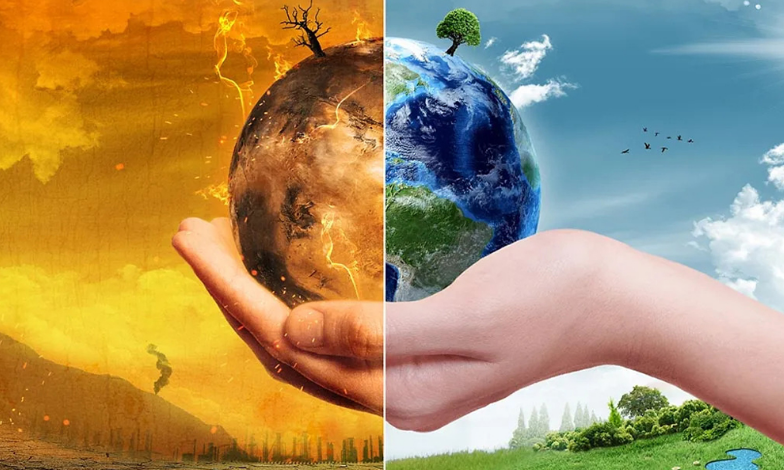
Examining the Effects of Climate Change on Global Agriculture
Climate Change and Its Impact on Global Agriculture
Climate change is one of the most pressing issues of our time, with profound implications for global agriculture. As temperatures rise and weather patterns shift, the agricultural sector faces significant challenges in ensuring food security and sustainability. This article explores the impact of climate change on agriculture, adaptive strategies, and the future of farming in a changing climate.
Understanding Climate Change and Agriculture
The focus key phrase here is “climate change and global agriculture”. Climate change refers to long-term changes in temperature, precipitation, and other atmospheric conditions. These changes are primarily driven by human activities, such as burning fossil fuels and deforestation, leading to increased levels of greenhouse gases in the atmosphere.
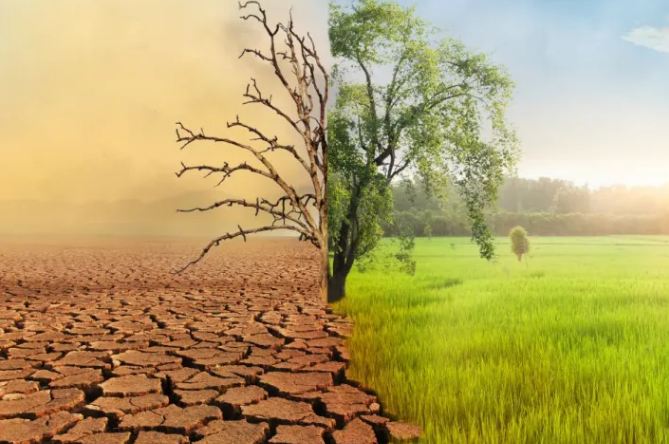
Agriculture is highly sensitive to climate variations. Changes in temperature and precipitation patterns can affect crop yields, soil health, and the prevalence of pests and diseases. Extreme weather events, such as droughts, floods, and heatwaves, can cause significant damage to crops and livestock.
Impact on Crop Yields and Food Security
One of the most direct impacts of climate change on agriculture is the effect on crop yields. Rising temperatures can lead to heat stress, reducing crop productivity and quality. Changes in precipitation patterns can result in water scarcity or excessive rainfall, both of which can adversely affect crops.
Climate change also influences the distribution and lifecycle of pests and diseases. Warmer temperatures can expand the range of pests, leading to increased infestations and crop damage. This poses a threat to food security, particularly in regions that rely heavily on agriculture for their livelihoods.
Adaptive Strategies for Agriculture
To mitigate the impact of climate change, the agricultural sector must adopt adaptive strategies. One approach is the development of climate-resilient crops. Through genetic modification and traditional breeding techniques, scientists are creating crop varieties that can withstand extreme weather conditions and pests.
Improving water management practices is another critical strategy. Techniques such as drip irrigation and rainwater harvesting can enhance water use efficiency and reduce the vulnerability of crops to drought. Additionally, soil conservation practices, such as cover cropping and reduced tillage, can improve soil health and resilience.
Role of Technology and Innovation
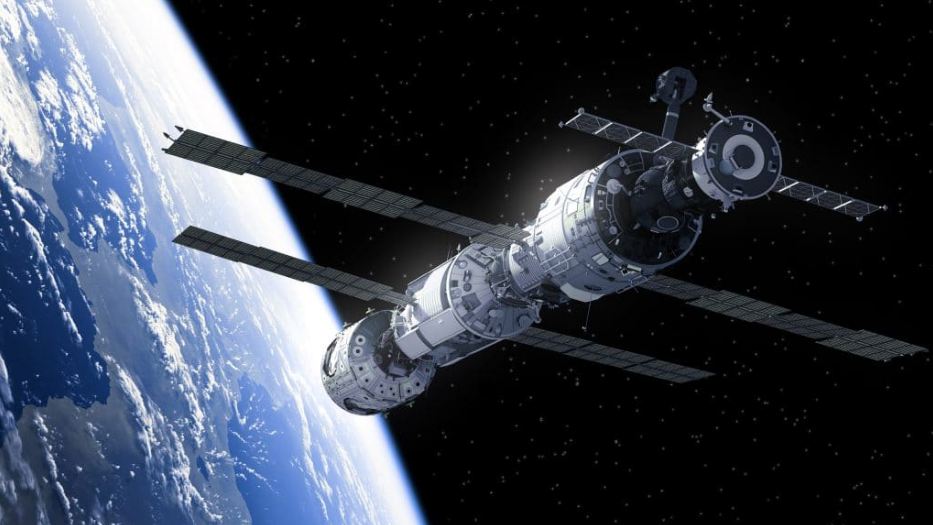
Technology and innovation play a crucial role in helping agriculture adapt to climate change. Precision agriculture, which uses data and technology to optimize farming practices, can enhance resource efficiency and productivity. For example, satellite imagery and sensors can provide real-time information on crop health, enabling farmers to make informed decisions.
Agroforestry, the practice of integrating trees and shrubs into agricultural landscapes, can also mitigate climate change impacts. Trees provide shade, reduce soil erosion, and improve water retention, creating a more resilient farming system.
Future of Agriculture in a Changing Climate
The future of agriculture in the face of climate change will depend on the ability of farmers, policymakers, and researchers to work together and implement sustainable practices. Governments must invest in agricultural research and provide support for farmers to adopt climate-resilient practices.
International cooperation is also essential to address the global nature of climate change. Collaborative efforts can facilitate the sharing of knowledge, resources, and technologies to enhance agricultural resilience worldwide.
Conclusion
Climate change poses significant challenges to global agriculture, threatening food security and sustainability. However, by adopting adaptive strategies, leveraging technology, and fostering international cooperation, the agricultural sector can build resilience and ensure a sustainable food future. Addressing the impacts of climate change on agriculture is critical for safeguarding the livelihoods of millions and maintaining global food security.