
The COVID-19 vaccine rollout has been one of the most significant public health campaigns in modern history. With billions of doses administered worldwide, this massive effort aims to curb the spread of the virus and return life to normal. Understanding the various aspects of this rollout is crucial to appreciating its impact and future direction.
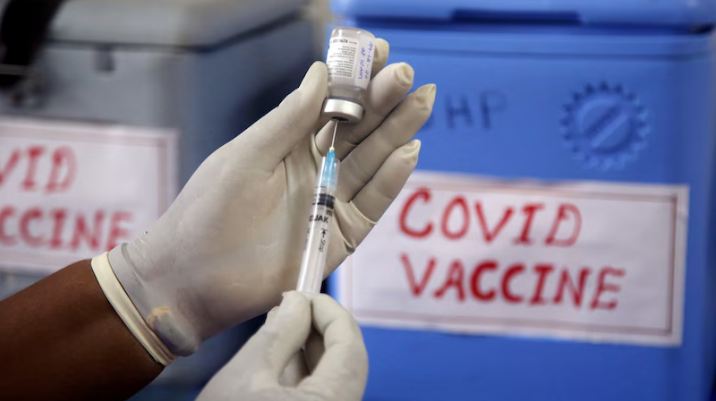
The COVID-19 vaccine rollout represents an unprecedented global effort to combat the pandemic. With countries racing to vaccinate their populations, this article explores the progress, challenges, and future prospects of the COVID-19 vaccine rollout. This detailed analysis will provide a comprehensive understanding of where we stand in the fight against COVID-19 and what lies ahead.
The Progress of the COVID-19 Vaccine Rollout
Since the first COVID-19 vaccine was administered in December 2020, the world has witnessed remarkable progress. Governments, health organizations, and pharmaceutical companies have collaborated to produce, distribute, and administer vaccines at an unprecedented pace.
Initial Phases
The initial phases of the vaccine rollout focused on frontline healthcare workers, the elderly, and those with pre-existing health conditions. Countries like the United States, the United Kingdom, and Israel led early vaccination efforts, quickly achieving significant coverage. By mid-2021, many developed nations had vaccinated a substantial portion of their populations, leading to a notable decline in severe cases and deaths.
Global Efforts and COVAX
The COVAX initiative, co-led by the World Health Organization (WHO), Gavi, and the Coalition for Epidemic Preparedness Innovations (CEPI), has been crucial in ensuring equitable access to vaccines. This program aims to distribute vaccines to low- and middle-income countries, addressing global disparities in vaccine availability. As of now, millions of doses have been delivered to countries in need, helping to mitigate the virus’s spread.
Expanding Vaccine Approval
More vaccines have received emergency use authorization and full approval, expanding the arsenal available to fight COVID-19. Vaccines from Pfizer-BioNTech, Moderna, AstraZeneca, Johnson & Johnson, and several others have been widely distributed. Additionally, new vaccines tailored to emerging variants are under development.
Challenges in the COVID-19 Vaccine Rollout
Despite significant progress, the COVID-19 vaccine rollout has faced numerous challenges. These obstacles highlight the complexity of executing a global vaccination campaign.
Vaccine Inequality
One of the primary issues has been vaccine inequality. Wealthier nations secured large quantities of vaccines early on, leaving many poorer countries struggling to obtain sufficient doses. This disparity has hampered global efforts to achieve herd immunity. Addressing this imbalance is crucial for the overall success of the vaccination campaign.
Logistical Hurdles
The logistical challenges of distributing vaccines cannot be overstated. Many vaccines require ultra-cold storage, making distribution difficult, especially in regions with limited infrastructure. Additionally, coordinating the delivery and administration of vaccines to billions of people involves complex logistics and supply chain management.
Vaccine Hesitancy
Vaccine hesitancy remains a significant barrier. Misinformation, distrust in vaccines, and cultural factors contribute to lower vaccination rates in some communities. Public health campaigns and education efforts are essential to combat these misconceptions and encourage widespread vaccination.
Future Prospects of the COVID-19 Vaccine Rollout
Looking ahead, several factors will shape the future of the COVID-19 vaccine rollout. Continued progress depends on addressing current challenges and adapting to new developments.
Development of New Vaccines and Boosters
Ongoing research and development are critical. Companies like Pfizer, Moderna, and AstraZeneca are working on next-generation vaccines and booster shots to address emerging variants. These advancements will help maintain immunity and protect against new strains of the virus.
Improving Global Vaccine Equity
Improving global vaccine equity remains a top priority. International cooperation and increased manufacturing capacity are necessary to ensure all countries have access to sufficient doses. Expanding production in low- and middle-income countries will help achieve this goal.
Combating Vaccine Hesitancy
Addressing vaccine hesitancy through effective communication and education is vital. Governments and health organizations must work together to dispel myths and provide accurate information about vaccine safety and efficacy. Engaging community leaders and influencers can also play a significant role in increasing vaccine acceptance.
Monitoring Long-term Effects
Ongoing monitoring and research will be crucial to understanding the long-term effects of COVID-19 vaccines. This includes studying the duration of protection, potential side effects, and effectiveness against new variants. Such data will guide future vaccination strategies and policies.
Conclusion
The COVID-19 vaccine rollout has been a monumental effort with significant achievements and ongoing challenges. While progress has been made, particularly in developed countries, much work remains to ensure global vaccine equity and address logistical and hesitancy issues. Looking forward, continued research, international cooperation, and effective communication will be key to overcoming these obstacles and ending the pandemic. Understanding the complexities and nuances of the COVID-19 vaccine rollout helps us appreciate the scale of this endeavor and the collaborative effort required to protect global health.
Key Statistics and Milestones
- Total Doses Administered: Over 10 billion doses globally
- Vaccines Authorized: Pfizer-BioNTech, Moderna, AstraZeneca, Johnson & Johnson, and more
- COVAX Deliveries: Over 1 billion doses to low- and middle-income countries
- Vaccine Coverage: Over 60% of the global population has received at least one dose
- Boosters: New booster shots developed to combat variants like Delta and Omicron
By understanding these elements, we gain a clearer picture of the ongoing fight against COVID-19 and the pivotal role vaccines play in ending the pandemic. The journey is far from over, but with continued effort and collaboration, a safer, healthier future is within reach.


