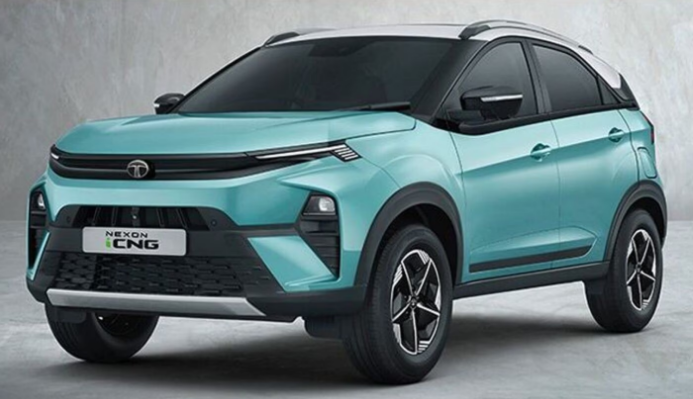
The adoption of electric vehicles (EVs) is transforming the automotive industry and contributing to environmental sustainability. With increasing concerns about climate change and air pollution, EVs offer a promising alternative to traditional gasoline-powered vehicles. This article explores the current state of electric vehicle adoption, its benefits, challenges, and the future outlook for this innovative technology.

Electric vehicle adoption is gaining momentum as more consumers and governments prioritize sustainability and environmental responsibility. EVs are becoming a central part of the conversation on reducing carbon emissions and advancing green technology. This article delves into the trends driving EV adoption, the advantages of electric vehicles, and the hurdles that must be overcome to accelerate their widespread use.
The Rise of Electric Vehicles
Growth in Popularity
Electric vehicles have evolved significantly since their inception. Advances in battery technology, increased range, and growing environmental awareness have contributed to their rising popularity. The global electric vehicle market is expanding, with more automakers entering the field and a growing number of consumers considering EVs as their next vehicle purchase.
Key Market Players
Several major automotive manufacturers are leading the charge in electric vehicle development. Companies such as Tesla, Nissan, Chevrolet, and BMW have introduced various EV models, each offering different features and price points. Additionally, new entrants like Rivian and Lucid Motors are making waves with innovative electric vehicles.
Benefits of Electric Vehicles
Environmental Impact
One of the most significant benefits of electric vehicles is their positive impact on the environment. Unlike gasoline-powered vehicles, EVs produce zero tailpipe emissions, which helps reduce air pollution and greenhouse gas emissions. By decreasing reliance on fossil fuels, electric vehicles contribute to mitigating climate change and improving air quality.
Cost Savings
Electric vehicles can also lead to significant cost savings for consumers. Although the initial purchase price of an EV may be higher than that of a traditional vehicle, lower operating costs often offset this difference. EV owners benefit from reduced fuel expenses, as electricity is generally cheaper than gasoline. Additionally, maintenance costs for electric vehicles are typically lower due to fewer moving parts and less wear and tear on components.
Technological Advancements
Electric vehicles come equipped with advanced technology and features that enhance the driving experience. Many EVs offer cutting-edge infotainment systems, autonomous driving capabilities, and over-the-air software updates. These innovations not only improve vehicle performance but also provide a more connected and convenient driving experience.
Challenges in EV Adoption
Charging Infrastructure
One of the primary challenges facing electric vehicle adoption is the availability of charging infrastructure. While the number of charging stations is increasing, there are still areas with limited access to charging facilities. Expanding the charging network and improving charging speed are crucial for making EVs more convenient and practical for everyday use.
Battery Technology and Range
Battery technology is a key factor in the adoption of electric vehicles. Although advancements have been made, range anxiety remains a concern for many potential EV buyers. Ensuring that electric vehicles have sufficient range to meet the needs of drivers and addressing battery degradation issues are essential for increasing consumer confidence.
Upfront Costs
The upfront cost of electric vehicles can be a barrier to widespread adoption. While prices are decreasing over time, they are still higher compared to traditional vehicles. Incentives and subsidies offered by governments can help offset these costs and make EVs more accessible to a broader audience.
The Role of Government and Policy
Incentives and Subsidies
Governments around the world are implementing various incentives and subsidies to promote electric vehicle adoption. These measures may include tax credits, rebates, and reduced registration fees. By providing financial incentives, governments encourage consumers to consider EVs and support the transition to cleaner transportation.
Emission Regulations
Strict emission regulations are also driving the shift toward electric vehicles. Many countries have set ambitious targets for reducing greenhouse gas emissions and phasing out internal combustion engine vehicles. These regulations create a favorable environment for electric vehicle adoption and push manufacturers to invest in EV technology.
Future Outlook for Electric Vehicles
Market Trends
The future of electric vehicles looks promising as technology continues to advance and consumer preferences shift toward sustainability. The development of next-generation batteries, increased charging infrastructure, and improvements in vehicle performance are expected to drive further growth in the EV market. Additionally, innovations such as vehicle-to-grid technology and sustainable battery recycling will play a role in shaping the future of electric mobility.
Integration with Renewable Energy
Electric vehicles have the potential to integrate seamlessly with renewable energy sources. By charging EVs with electricity generated from solar, wind, or other renewable sources, the environmental benefits of electric vehicles are further enhanced. This integration supports the broader goal of creating a sustainable energy ecosystem.
Conclusion
The adoption of electric vehicles represents a significant step toward a greener and more sustainable future. As technology advances and infrastructure improves, electric vehicles are set to become an integral part of the global transportation landscape. By addressing current challenges and leveraging government support, the transition to electric mobility can accelerate, bringing numerous benefits for both consumers and the environment. Embracing electric vehicles not only contributes to reducing carbon emissions but also fosters innovation and supports a cleaner, healthier planet for future generations.