
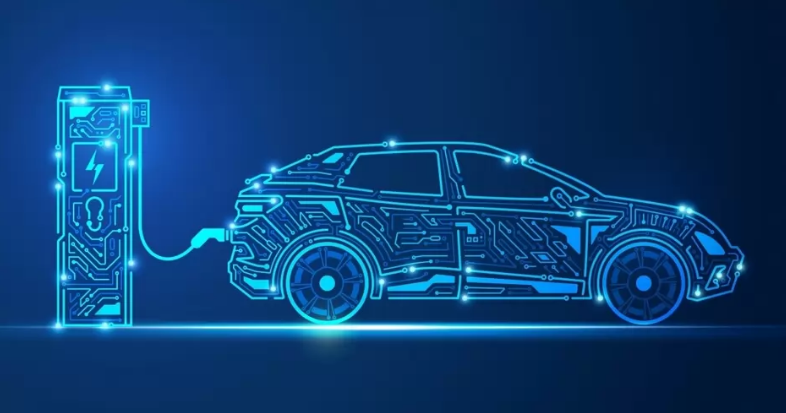
Introduction: The Future of Transportation: Electric Vehicles in 2024
Electric Vehicles in 2024: The Future of Transportation
Electric vehicles (EVs) have moved from being a niche product to a central player in the automotive industry. With advancements in technology, increased environmental awareness, and supportive government policies, EVs are set to revolutionize transportation. This article explores the current trends, benefits, and challenges of electric vehicles in 2024.
Current State of Electric Vehicles
The focus key phrase here is “electric vehicles in 2024”. As of 2024, the global EV market is experiencing rapid growth. Major automakers are expanding their EV portfolios, and new players are entering the market. Innovations in battery technology, such as solid-state batteries, are enhancing the performance and range of EVs, making them more competitive with traditional internal combustion engine vehicles.
Environmental and Economic Benefits
One of the primary drivers behind the adoption of EVs is their environmental benefits. EVs produce zero tailpipe emissions, which significantly reduces air pollution and greenhouse gas emissions. This is crucial in the fight against climate change and improving urban air quality.
Economically, EVs offer lower operating costs compared to gasoline vehicles. Electricity is generally cheaper than gasoline, and EVs have fewer moving parts, leading to reduced maintenance costs. Over time, this can result in substantial savings for consumers.
Government Policies and Incentives
Governments worldwide are implementing policies and incentives to encourage the adoption of electric vehicles. These include tax credits, rebates, and grants for EV buyers, as well as investments in charging infrastructure. In many countries, there are also mandates for automakers to produce a certain percentage of zero-emission vehicles.
For example, the European Union has set ambitious targets to reduce CO2 emissions from new cars by 55% by 2030. In the United States, the Biden administration aims to make half of all new vehicles sold by 2030 zero-emission.
Challenges and Solutions
Despite the many benefits, there are challenges to the widespread adoption of EVs. One major challenge is the availability and accessibility of charging infrastructure. To address this, governments and private companies are investing heavily in expanding charging networks, including fast-charging stations that can recharge a vehicle in a matter of minutes.
Another challenge is the initial cost of EVs, which tends to be higher than traditional vehicles. However, as battery technology advances and economies of scale are realized, the cost of EVs is expected to decrease. Additionally, the total cost of ownership over the vehicle’s lifespan is often lower due to savings on fuel and maintenance.
The Future of Electric Vehicles
The future of transportation is electric. With continued advancements in technology, supportive policies, and growing consumer acceptance, EVs are poised to become the norm rather than the exception. In the coming years, we can expect to see a greater variety of EV models, improved battery technology, and an expansive charging infrastructure.
Conclusion
Electric vehicles in 2024 represent a significant shift towards sustainable transportation. They offer numerous environmental and economic benefits, supported by government policies and incentives. While challenges remain, the future of EVs looks promising, with advancements that will make them more accessible and efficient. Embracing electric vehicles is a crucial step towards a cleaner, greener future for transportation.


