Discover the charm of Srinagar, a city of stunning landscapes, rich culture, and historical significance. Explore its beauty and heritage through this detailed guide.
Beauty and Heritage of Kashmir’s Summer Capital
Srinagar, the summer capital of Jammu and Kashmir, is a city that captivates visitors with its stunning landscapes, rich culture, and historical significance. Nestled in the Kashmir Valley, this city offers a unique blend of natural beauty and cultural richness. In this detailed guide, we will explore the many facets of Srinagar, from its picturesque lakes and gardens to its vibrant markets and historical sites.
The Enchanting Lakes of Srinagar
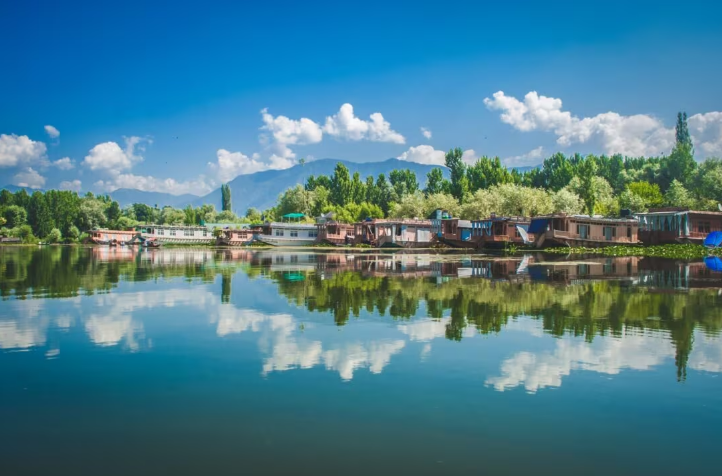
Srinagar is famous for its beautiful lakes, which add to the city’s charm. The most well-known of these is Dal Lake, often referred to as the “Jewel in the crown of Kashmir.” This lake is not just a body of water but a hub of activity. Houseboats and shikaras (traditional wooden boats) dot the lake, offering visitors a unique way to experience its beauty. You can take a shikara ride to explore the floating gardens and markets, making for an unforgettable experience.
Nigeen Lake is another gem in Srinagar. Quieter and less crowded than Dal Lake, Nigeen Lake is perfect for those looking for a peaceful retreat. The serene waters, surrounded by lush greenery, make it an ideal spot for relaxation and reflection.
The Splendor of Mughal Gardens
Srinagar is home to some of the most exquisite Mughal gardens in India. These gardens, with their meticulously maintained lawns, terraced flowerbeds, and flowing fountains, are a testament to the Mughal love for beauty and nature.
Shalimar Bagh, built by Emperor Jahangir for his beloved wife Nur Jahan, is a prime example of Mughal garden design. The garden features cascading terraces, majestic chinar trees, and intricate water channels. Nishat Bagh, another stunning garden, offers breathtaking views of Dal Lake and the surrounding mountains. Chashme Shahi, known for its natural spring, is a smaller but equally beautiful garden that adds to Srinagar’s allure.
The Rich Cultural Heritage
Srinagar’s rich cultural heritage is evident in its architecture, crafts, and traditions. The city’s old quarters are a maze of narrow streets lined with wooden houses featuring intricately carved balconies and windows. The Jamia Masjid, with its Indo-Saracenic architecture, is a significant religious site and a masterpiece of design.
Srinagar is also famous for its traditional crafts. Pashmina shawls, known for their softness and warmth, are a must-buy for visitors. The city’s artisans are skilled in carpet weaving, papier-mâché, and wood carving. A visit to the local markets, such as Lal Chowk and Polo View Market, offers a glimpse into the city’s vibrant craft traditions.
Historical Sites and Monuments
Srinagar boasts a number of historical sites and monuments that tell the story of its past. Pari Mahal, or the “Palace of Fairies,” is a historic monument offering panoramic views of Dal Lake and the city. The ruins of this Mughal-era garden palace are a reminder of Srinagar’s royal heritage.
The Shankaracharya Temple, perched atop a hill, is one of the oldest temples in the region. Dedicated to Lord Shiva, the temple not only holds religious significance but also offers spectacular views of the city and the surrounding valley.
The Cuisine of Srinagar
No visit to Srinagar is complete without sampling its delectable cuisine. The city offers a range of traditional Kashmiri dishes that are a treat for the taste buds. Rogan Josh, a flavorful lamb curry, and Yakhni, a yogurt-based mutton dish, are popular choices. For vegetarians, Dum Aloo and Nadru Yakhni are must-try dishes.
Kahwa, a traditional green tea brewed with saffron, almonds, and spices, is a perfect way to warm up in Srinagar’s cool climate. The city’s bakeries offer a variety of breads, such as Sheermal and Bakarkhani, which pair perfectly with a cup of Kahwa.
The Best Time to Visit
Srinagar is a year-round destination, but the best time to visit depends on what you want to experience. Spring (March to May) is ideal for witnessing the gardens in full bloom. The vibrant flowers and lush greenery make the city look like a paradise. Summer (June to August) is perfect for enjoying the lakes and pleasant weather. Autumn (September to November) brings a golden hue to the chinar trees, creating a picturesque landscape. Winter (December to February) transforms Srinagar into a winter wonderland, with snow-covered landscapes offering a different kind of beauty.
Conclusion
Srinagar is a city that offers a perfect blend of natural beauty, rich culture, and historical significance. Whether you’re exploring its enchanting lakes, strolling through its splendid gardens, or immersing yourself in its cultural heritage, Srinagar promises an unforgettable experience. This detailed guide has highlighted the many attractions and experiences that make Srinagar a must-visit destination. As you plan your trip, remember to take in the beauty, savor the cuisine, and immerse yourself in the vibrant culture of this incredible city.