
Inflation concerns have become a prominent topic in economic discussions worldwide. As prices for goods and services rise, both consumers and businesses are feeling the effects. This article provides a comprehensive analysis of inflation, its causes, impacts, and strategies for managing its effects, offering valuable insights into how to navigate a high-inflation environment.
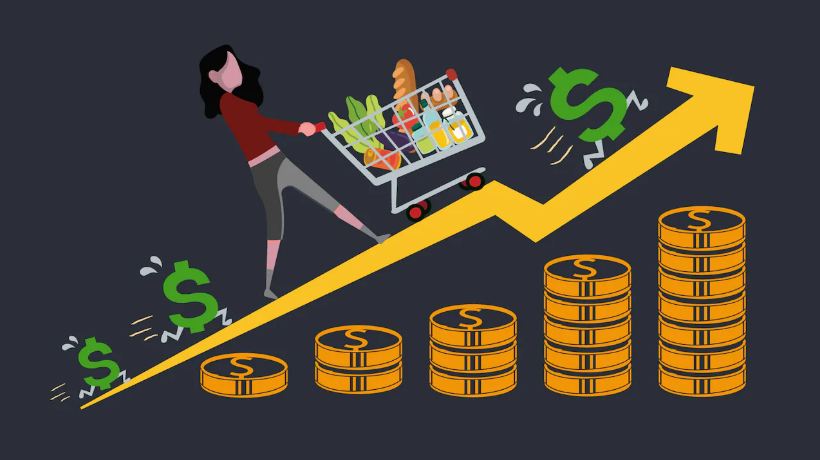
Inflation is an economic phenomenon where the general price level of goods and services rises, eroding purchasing power. As inflation concerns grow, it’s crucial to understand the underlying causes, the impact on various sectors, and effective strategies to mitigate its effects. This article explores these aspects in detail, helping readers navigate the complexities of inflation.
Understanding Inflation
What is Inflation?
Inflation refers to the increase in the price level of goods and services over time. This means that as inflation rises, each unit of currency buys fewer goods and services. Inflation is measured by the Consumer Price Index (CPI) and the Producer Price Index (PPI), which track changes in the price of a basket of goods and services.
Causes of Inflation
- Demand-Pull Inflation: This occurs when demand for goods and services exceeds supply, driving up prices. Factors such as increased consumer spending, government expenditure, or investment can contribute to demand-pull inflation.
- Cost-Push Inflation: This type of inflation happens when the cost of production inputs, such as raw materials or labor, increases. Businesses may pass these higher costs onto consumers in the form of higher prices.
- Built-In Inflation: Also known as wage-price inflation, this occurs when workers demand higher wages to keep up with rising living costs. Businesses, in turn, increase prices to cover higher wage costs, creating a cycle of inflation.
- Monetary Inflation: This type occurs when there is an increase in the money supply in the economy. When too much money chases too few goods, prices rise.
Impact of Inflation
On Consumers
- Reduced Purchasing Power: Inflation decreases the value of money, meaning consumers can buy less with the same amount of money. This affects everyday expenses, such as groceries, housing, and transportation.
- Increased Cost of Living: As prices rise, the cost of living increases. This can strain household budgets, particularly for those on fixed incomes or with lower wages.
- Changes in Saving and Investment: High inflation can erode the real value of savings, leading individuals to seek higher returns through investments. However, inflation can also create uncertainty in financial markets.
On Businesses
- Increased Production Costs: Businesses may face higher costs for raw materials, labor, and energy. These increased costs can reduce profit margins unless businesses pass them on to consumers through higher prices.
- Uncertainty and Planning Challenges: Inflation creates uncertainty about future costs and pricing. This can make long-term planning and investment decisions more difficult for businesses.
- Impact on Profit Margins: Businesses may struggle to maintain profit margins if they cannot pass on higher costs to consumers. This can impact financial performance and competitiveness.
Strategies for Mitigating Inflation
For Consumers
- Budgeting and Financial Planning: Creating a detailed budget helps track expenses and identify areas where savings can be made. Adjusting spending habits and prioritizing essential expenses can mitigate the impact of rising costs.
- Investing in Inflation-Protected Assets: Investing in assets that typically perform well during inflation, such as real estate, commodities, or inflation-protected securities (e.g., TIPS), can help protect purchasing power.
- Increasing Income: Exploring opportunities for additional income, such as side jobs or career advancement, can help offset the effects of rising prices.
For Businesses
- Cost Management: Implementing cost-control measures and improving operational efficiency can help manage rising production costs. This includes optimizing supply chains, reducing waste, and negotiating better supplier contracts.
- Price Adjustments: Businesses may need to adjust pricing strategies to reflect increased costs. However, it is essential to balance price increases with maintaining customer satisfaction and competitiveness.
- Hedging Strategies: Using financial instruments such as futures contracts or options can help hedge against rising costs of raw materials and other inputs.
- Diversification: Diversifying product lines and markets can reduce reliance on specific sectors affected by inflation and spread risk across different revenue streams.
Conclusion
Inflation concerns are a significant aspect of the current economic landscape, affecting both consumers and businesses. Understanding the causes of inflation, its impact, and implementing effective strategies for mitigation can help individuals and organizations navigate this challenging environment. By adopting proactive measures, such as budgeting, investing wisely, managing costs, and adjusting pricing strategies, it is possible to manage the effects of inflation and maintain financial stability. Staying informed about economic trends and making strategic adjustments is crucial for mitigating the impact of rising prices and ensuring long-term financial well-being.


