
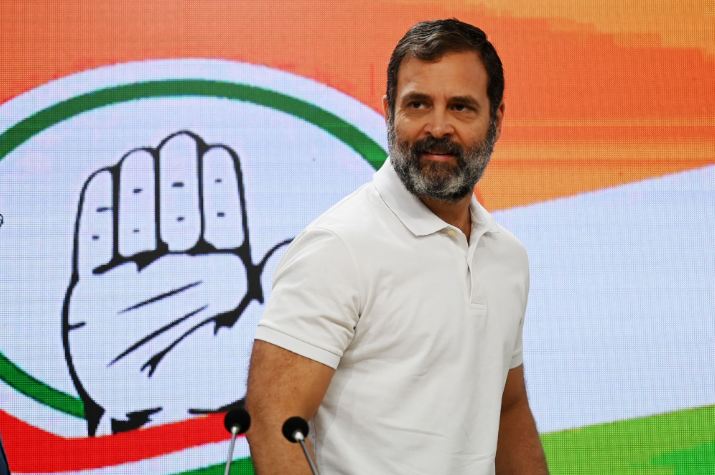
Rahul Gandhi, born on June 19, 1970, in New Delhi, India, is a prominent figure in Indian politics. As the scion of the Nehru-Gandhi family, his journey in politics has been marked by significant challenges, remarkable achievements, and an unwavering commitment to his vision for India. This article delves into Rahul Gandhi’s early life, political career, key milestones, leadership roles, and his impact on Indian politics.
Early Life and Education
Family Legacy:
- Nehru-Gandhi Dynasty: Rahul Gandhi is the son of former Prime Minister Rajiv Gandhi and Sonia Gandhi, and the grandson of Indira Gandhi and Jawaharlal Nehru. This illustrious lineage has played a crucial role in shaping his political career and responsibilities.
- Sister and Sibling: Rahul has a sister, Priyanka Gandhi Vadra, who is also actively involved in politics.
Education and Early Influences:
- Schooling: Rahul completed his early education at St. Columba’s School in Delhi and The Doon School in Dehradun. His formative years were marked by exposure to political discussions and the responsibilities of public service.
- Higher Education: He pursued higher education at Harvard University and later transferred to Rollins College in Florida, where he graduated with a Bachelor of Arts. Subsequently, he obtained an M.Phil. in Development Studies from Trinity College, Cambridge.
Entry into Politics
Rahul Gandhi’s entry into politics was almost inevitable, given his family’s legacy. However, his path was not without its challenges and learning experiences.
Initial Foray:
- 2004 General Elections: Rahul Gandhi made his political debut in the 2004 general elections, contesting from the Amethi constituency in Uttar Pradesh, a traditional stronghold of the Gandhi family. He won with a significant margin, marking the beginning of his political career.
- Youth Congress and Reforms: Early in his career, Rahul focused on revitalizing the Indian Youth Congress and the National Students’ Union of India. He implemented reforms aimed at democratizing these organizations and making them more inclusive.
Rise in the Indian National Congress
Rahul Gandhi’s rise within the Indian National Congress (INC) has been marked by his efforts to bring about internal reforms and connect with the grassroots.
Key Roles and Responsibilities:
- General Secretary: In 2007, Rahul was appointed General Secretary of the All India Congress Committee (AICC), with a focus on youth and student affairs. His efforts were directed towards making the party more youth-centric and dynamic.
- Vice President: In 2013, he was elevated to the position of Vice President of the INC, further cementing his role as a key decision-maker within the party.
Electoral Challenges and Strategies:
- 2014 General Elections: The 2014 general elections were a significant test for Rahul Gandhi’s leadership. The INC faced a crushing defeat, winning only 44 seats. Despite the setback, Rahul continued to work towards rebuilding the party.
- 2019 General Elections: In the 2019 elections, Rahul Gandhi led the INC campaign against the incumbent Bharatiya Janata Party (BJP). Although the party did not succeed in forming the government, Rahul won the Wayanad constituency in Kerala, even though he lost Amethi, highlighting the mixed outcomes of the elections.
Leadership and Vision
Rahul Gandhi’s leadership has been characterized by his vision for a more inclusive, democratic, and progressive India. He has consistently advocated for issues such as social justice, economic equality, and environmental sustainability.
Policy Focus and Advocacy:
- Economic Policies: Rahul has often criticized the economic policies of the BJP-led government, advocating for a more equitable distribution of wealth and resources. He has emphasized the need for policies that support small and medium-sized enterprises, job creation, and rural development.
- Social Justice: A strong advocate for social justice, Rahul has championed the cause of marginalized communities, including Dalits, tribals, and women. He has called for affirmative action and policies that ensure equal opportunities for all.
- Environmental Sustainability: Recognizing the importance of environmental sustainability, Rahul has spoken about the need for sustainable development practices, conservation of natural resources, and addressing climate change.
Leadership Style:
- Connect with the Masses: Rahul Gandhi’s leadership style is often characterized by his efforts to connect with the masses. He has undertaken numerous padyatras (foot marches) and grassroots campaigns to understand the issues faced by common people.
- Inclusivity and Democracy: He has emphasized the need for internal democracy within the INC and has worked towards making the party more inclusive. His focus on youth and women’s participation in politics reflects his vision for a more representative political landscape.
Key Achievements and Initiatives
Throughout his political career, Rahul Gandhi has been associated with several key initiatives and achievements that have had a significant impact on Indian politics.
Legislative Contributions:
- Right to Information (RTI) Act: Although the RTI Act was passed before Rahul’s formal entry into politics, he has been a strong proponent of transparency and accountability in governance. He has often highlighted the importance of the RTI Act in empowering citizens.
- Food Security Act: Rahul Gandhi played a crucial role in advocating for the National Food Security Act, which aims to provide subsidized food grains to approximately two-thirds of India’s population.
Electoral Reforms:
- Internal Party Reforms: Rahul’s efforts to democratize the Indian Youth Congress and the National Students’ Union of India have been significant in promoting internal democracy within the party. These reforms aimed at reducing nepotism and promoting merit-based leadership.
Challenges and Criticisms
Despite his contributions, Rahul Gandhi has faced numerous challenges and criticisms throughout his political career. His resilience and determination have been evident in his responses to these obstacles.
Electoral Defeats:
- Setbacks in Elections: The INC’s poor performance in the 2014 and 2019 general elections has been a major challenge for Rahul Gandhi. Critics have often questioned his leadership and strategic decisions during these campaigns.
- Internal Party Dynamics: Managing internal party dynamics and dealing with dissent within the INC has been another challenge. Rahul has had to navigate through factionalism and power struggles within the party.
Media and Public Perception:
- Media Scrutiny: As a high-profile political figure, Rahul Gandhi has been under constant media scrutiny. His statements and actions have often been subject to intense analysis and criticism.
- Public Perception: Shaping public perception has been a continuous challenge. While his supporters view him as a leader committed to social justice and democratic values, his detractors often criticize his political acumen and leadership capabilities.
Impact on Indian Politics
Rahul Gandhi’s impact on Indian politics extends beyond his electoral successes and failures. His advocacy for democratic values, social justice, and inclusive development has influenced political discourse in the country.
Youth and Political Participation:
- Inspiring Youth: Rahul’s focus on youth and student politics has inspired many young individuals to engage in political activities. His efforts to involve the younger generation in decision-making processes have contributed to a more vibrant political landscape.
- Promoting Participation: By emphasizing the importance of internal democracy and inclusivity, Rahul has promoted greater participation of diverse groups in politics. This has been crucial in fostering a more representative and accountable political system.
Policy Advocacy and Governance:
- Shaping Policy Debates: Rahul Gandhi’s advocacy for economic equity, social justice, and environmental sustainability has shaped policy debates in India. His emphasis on these issues has pressured the government to address critical concerns.
- Opposition Leadership: As a prominent opposition leader, Rahul has played a key role in holding the government accountable. His criticism of policies and governance practices has sparked important discussions and debates.
Personal Life and Interests
Beyond his political career, Rahul Gandhi’s personal life and interests provide insight into his character and motivations.
Family and Relationships:
- Private Life: Rahul Gandhi is known to keep his personal life private. Despite being in the public eye, he maintains a low profile when it comes to his family and relationships.
- Close-Knit Family: He shares a close bond with his mother, Sonia Gandhi, and sister, Priyanka Gandhi Vadra. Their support and involvement in politics have been integral to his journey.
Hobbies and Interests:
- Adventure Sports: Rahul Gandhi has a penchant for adventure sports and outdoor activities. He has been known to enjoy activities such as scuba diving and trekking.
- Reading and Learning: An avid reader, Rahul is often seen engrossed in books on a wide range of topics, from politics and history to economics and philosophy. His thirst for knowledge reflects his commitment to continuous learning.
Future Prospects and Legacy
As Rahul Gandhi continues to navigate the complex landscape of Indian politics, his future prospects and the legacy he will leave behind are subjects of considerable interest.
Political Aspirations:
- Vision for India: Rahul Gandhi’s vision for India revolves around social justice, economic equality, and inclusive development. His future political aspirations are likely to focus on these core principles.
- Strengthening the INC: One of his key goals is to strengthen the Indian National Congress and prepare it for future electoral battles. This involves organizational reforms, strategic alliances, and grassroots mobilization.
Long-Term Impact:
- Legacy of Reform: Rahul’s efforts to democratize political organizations and promote inclusive policies will be remembered as significant contributions to Indian politics. His emphasis on youth participation and social justice will likely shape future political discourse.
- Inspirational Leader: Despite facing numerous challenges, Rahul Gandhi’s resilience and dedication have inspired many. His journey reflects the complexities of Indian politics and the enduring struggle for a more equitable society.
Conclusion
Rahul Gandhi’s political journey is a testament to his commitment to the values of democracy, social justice, and inclusive development. From his early education and entry into politics to his leadership roles and policy advocacy, Rahul has navigated numerous challenges while striving to make a positive impact on Indian society. His vision for India, focused on equitable growth and opportunities for all, continues to shape his actions and aspirations. As he moves forward, Rahul Gandhi’s legacy will be defined by his efforts to create a more just and inclusive political landscape, inspiring future generations to engage in the democratic process and work towards a better India.


