The global push for sustainability has never been more pressing, and renewable energy innovations are at the forefront of this transformation. As the world seeks to reduce its dependence on fossil fuels and combat climate change, advancements in renewable energy technologies are crucial. This comprehensive article delves into the latest innovations in renewable energy, their impact on the environment, and their potential to shape a sustainable future.
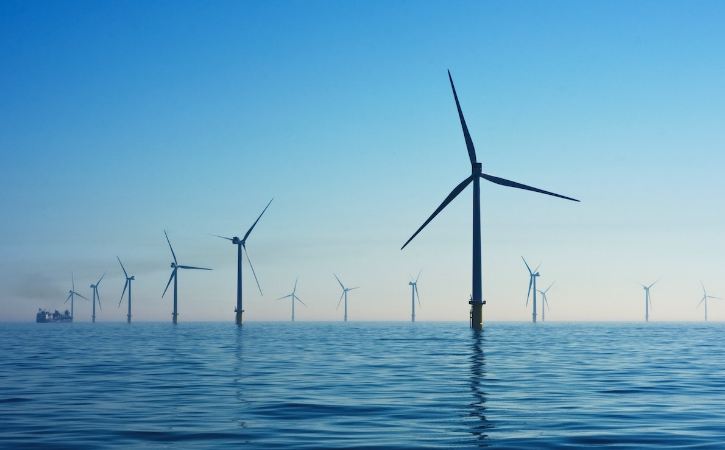
Renewable energy innovations are essential as the world shifts toward more sustainable energy sources. From breakthroughs in solar and wind technologies to advancements in energy storage and efficiency, these innovations are driving progress in the fight against climate change. This article provides an in-depth look at the latest developments in renewable energy, their benefits, and their role in achieving a greener future.
Latest Innovations in Renewable Energy
Advanced Solar Technologies
Solar energy continues to lead the renewable sector, with new technologies enhancing its efficiency and affordability. Recent advancements include:
- Perovskite Solar Cells: These cells promise higher efficiency at a lower cost compared to traditional silicon-based cells. Perovskite materials can be manufactured more easily and at a lower cost, potentially revolutionizing solar energy.
- Bifacial Solar Panels: These panels capture sunlight on both sides, increasing energy production by up to 30% compared to traditional panels. They are particularly effective in areas with high reflective surfaces, such as deserts or snowy regions.
Cutting-Edge Wind Energy Solutions
Wind energy has also seen significant technological progress, leading to more efficient and scalable solutions:
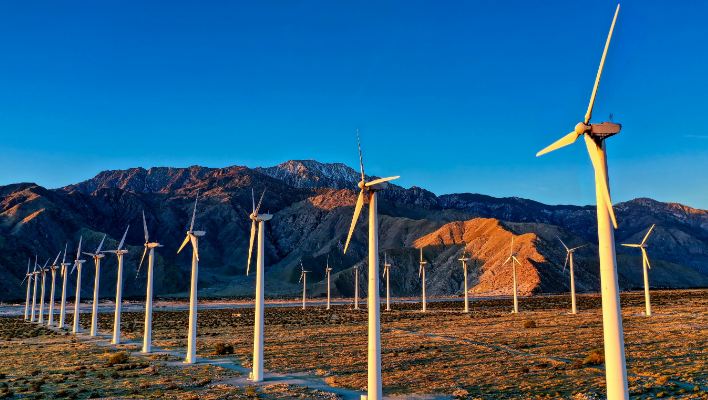
- Offshore Wind Turbines: Innovations in floating wind turbines are expanding the potential for offshore wind farms. These turbines can be placed in deeper waters, where wind speeds are higher and more consistent, thus generating more energy.
- Vertical Axis Wind Turbines: Unlike traditional horizontal axis turbines, vertical axis wind turbines can capture wind from any direction. They are less obtrusive and can be integrated into urban environments more easily.
Breakthroughs in Energy Storage
Energy storage is a critical component of renewable energy systems, enabling the effective use of intermittent sources like solar and wind. Recent advancements include:
- Solid-State Batteries: These batteries offer higher energy densities and improved safety compared to traditional lithium-ion batteries. They are expected to play a significant role in both grid storage and electric vehicles.
- Flow Batteries: Flow batteries provide long-duration energy storage and can be scaled easily for large-scale applications. They use liquid electrolytes to store and release energy, making them suitable for grid-level energy storage.
Innovations in Biomass and Bioenergy
Biomass energy is derived from organic materials, and recent innovations have improved its efficiency and sustainability:
- Algae Biofuels: Algae can produce high yields of biofuels and can be cultivated on non-arable land, reducing competition with food crops. Advances in algae cultivation and processing are making this a more viable alternative to fossil fuels.
- Waste-to-Energy Technologies: Modern waste-to-energy systems convert municipal and industrial waste into usable energy. These technologies not only reduce landfill use but also generate renewable energy from waste materials.
Impact on the Environment
Reduction in Greenhouse Gas Emissions
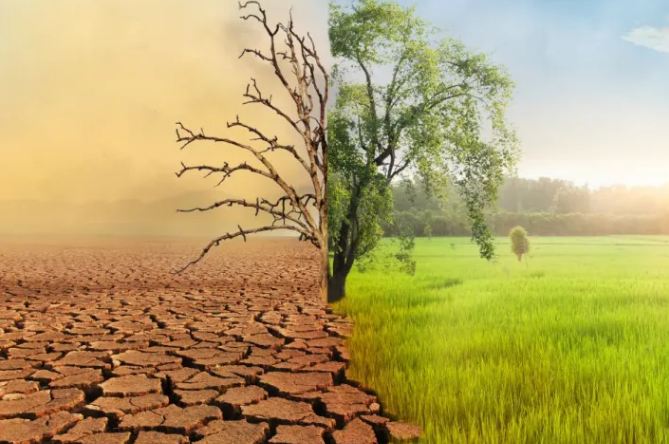
Renewable energy innovations contribute significantly to reducing greenhouse gas emissions. By replacing fossil fuels with cleaner energy sources, these technologies help mitigate climate change and reduce air pollution.
Conservation of Natural Resources
Renewable energy systems reduce the reliance on finite natural resources. For example, solar and wind energy harness natural processes without depleting resources or causing environmental degradation.
Promotion of Biodiversity
Sustainable energy practices, such as using renewable resources and minimizing land use impacts, contribute to the conservation of biodiversity. By reducing habitat destruction and pollution, renewable energy helps protect ecosystems and wildlife.
Challenges and Opportunities
High Initial Costs
Many renewable energy technologies require significant upfront investment. While costs are decreasing over time, initial expenses can be a barrier to widespread adoption, particularly in developing regions.
Technological and Infrastructure Limitations
Integrating renewable energy into existing infrastructure poses challenges. Upgrades to grid systems and storage solutions are necessary to accommodate the variability of renewable sources and ensure reliable energy supply.
Policy and Regulatory Support
Government policies and incentives play a crucial role in promoting renewable energy innovations. Supportive regulations and financial incentives can accelerate the development and deployment of new technologies.
Future Outlook
Continued Technological Advancements
The renewable energy sector is poised for further technological advancements. Ongoing research and development efforts will likely lead to more efficient, cost-effective, and scalable solutions.
Integration and Scalability
Future innovations will focus on integrating renewable energy into existing systems and scaling up technologies for widespread use. Enhanced energy storage, smart grid technologies, and hybrid systems will be key to achieving a sustainable energy future.
Global Collaboration
International collaboration and knowledge sharing will be vital in advancing renewable energy innovations. By working together, countries can accelerate the development of new technologies and address global energy challenges more effectively.
Conclusion
Renewable energy innovations are transforming the way we produce and use energy, offering promising solutions for a sustainable future. From advancements in solar and wind technologies to breakthroughs in energy storage and biomass, these innovations are driving progress toward a greener and more resilient energy system. By overcoming challenges and embracing new technologies, we can pave the way for a cleaner, more sustainable world.