
The rising petrol prices have become a significant concern for individuals and economies worldwide. This article explores the causes behind these price hikes, their effects on various sectors, and potential solutions to mitigate the impact.
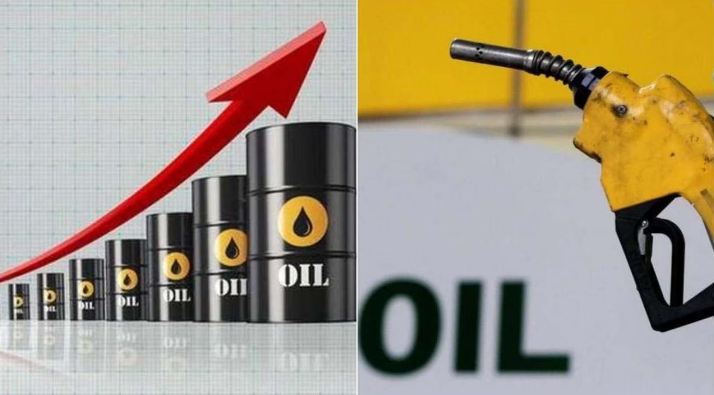
Rising petrol prices are affecting economies and everyday lives globally. This article delves into the reasons for these increases, the repercussions, and the strategies to manage and reduce their impact.
Causes of Rising Petrol Prices
Global Oil Supply and Demand
One of the primary factors influencing petrol prices is the balance between global oil supply and demand. When demand for oil outstrips supply, prices rise. Factors such as economic growth, industrial activities, and seasonal demand can increase the need for oil, leading to higher prices.
Geopolitical Tensions
Geopolitical tensions in oil-producing regions can disrupt the supply chain, causing prices to spike. Conflicts, sanctions, and political instability in countries like the Middle East significantly impact global oil prices. For instance, tensions between major oil producers can lead to reduced output, driving prices up.
Production Costs
The cost of extracting and refining oil also plays a crucial role in determining petrol prices. Higher production costs, due to factors like advanced drilling techniques and environmental regulations, can lead to increased petrol prices. Additionally, the cost of transporting oil from production sites to refineries and then to consumers adds to the final price.
Currency Fluctuations
Oil is traded globally in US dollars. Therefore, fluctuations in currency exchange rates can affect petrol prices. When the dollar strengthens against other currencies, oil becomes more expensive for countries with weaker currencies, leading to higher local petrol prices.
Effects of Rising Petrol Prices
Economic Impact
High petrol prices can slow down economic growth by increasing the cost of goods and services. Transportation costs rise, affecting the supply chain and leading to higher prices for consumers. Businesses, especially those heavily reliant on transportation, may face reduced profits and might pass on the increased costs to consumers.
Impact on Households
Rising petrol prices directly impact household budgets. With higher fuel costs, commuting becomes more expensive, and the cost of goods and services also increases. This can reduce disposable income and limit spending on non-essential items, affecting the overall quality of life.
Inflation
Petrol price hikes contribute to inflation, as the increased cost of transportation affects the price of goods and services across the board. This inflationary pressure can erode purchasing power and lead to higher interest rates as central banks attempt to control inflation.
Environmental Concerns
While rising petrol prices can encourage a shift towards more fuel-efficient and environmentally friendly modes of transportation, they can also lead to increased use of alternative, potentially harmful fuels. For example, in some regions, high petrol prices may lead to greater use of coal or wood, which can have adverse environmental effects.
Possible Solutions to Mitigate Rising Petrol Prices
Diversifying Energy Sources
Investing in alternative energy sources, such as solar, wind, and biofuels, can reduce dependence on oil and mitigate the impact of rising petrol prices. Governments and private sectors need to increase funding for research and development of renewable energy technologies.
Improving Fuel Efficiency
Encouraging the development and use of fuel-efficient vehicles can help reduce petrol consumption. Governments can implement policies that promote the production and purchase of electric and hybrid vehicles. Additionally, improving public transportation infrastructure can provide more efficient and affordable commuting options.
Strategic Petroleum Reserves
Countries can maintain strategic petroleum reserves to stabilize supply during periods of high demand or geopolitical tension. These reserves can be used to manage supply shortages and prevent drastic price spikes.
International Cooperation
International cooperation among oil-producing and consuming nations can help stabilize the global oil market. Organizations like the Organization of the Petroleum Exporting Countries (OPEC) play a crucial role in managing oil production and pricing. Collaborative efforts can lead to more predictable and stable petrol prices.
Tax and Subsidy Adjustments
Governments can adjust taxes and subsidies related to petrol to manage its cost impact on consumers. Reducing fuel taxes or providing subsidies during periods of high prices can offer temporary relief to consumers. However, these measures should be carefully managed to avoid long-term fiscal imbalances.
Conclusion
Rising petrol prices present a multifaceted challenge that affects economies, households, and the environment. Understanding the causes behind these increases and their far-reaching effects is essential for developing effective strategies to mitigate their impact. By diversifying energy sources, improving fuel efficiency, maintaining strategic reserves, fostering international cooperation, and adjusting fiscal policies, it is possible to manage the adverse effects of rising petrol prices and work towards a more stable and sustainable future. As the global energy landscape continues to evolve, staying informed and proactive will be crucial in addressing this pressing issue.


