
Explore the future of sustainable transportation by comparing electric and hydrogen vehicles, their benefits, and challenges in achieving a greener future.
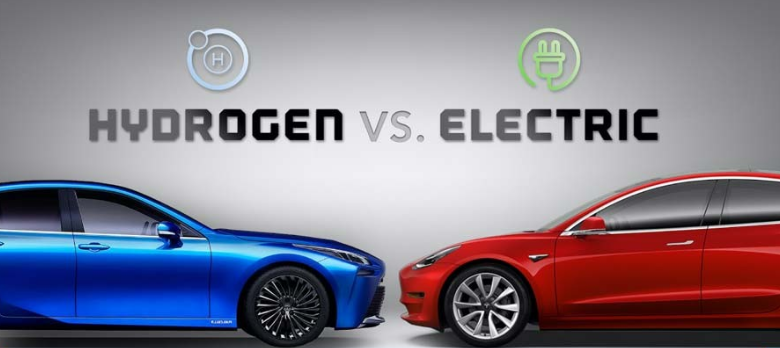
The Future of Sustainable Transportation: Electric vs. Hydrogen Vehicles
As the world shifts towards sustainable transportation, electric and hydrogen vehicles are emerging as two promising solutions. Both technologies offer significant environmental benefits compared to traditional internal combustion engine vehicles. However, they also come with their own set of challenges. Understanding the future of sustainable transportation requires a detailed comparison of electric and hydrogen vehicles, their advantages, and the obstacles they face.
Electric Vehicles: Benefits and Challenges
Benefits of Electric Vehicles
Electric vehicles (EVs) are powered by electricity stored in batteries. They produce zero tailpipe emissions, reducing air pollution and greenhouse gas emissions. EVs are highly efficient, converting a larger percentage of energy from the power grid to power the wheels. The maintenance costs of EVs are generally lower than those of internal combustion engine vehicles, as they have fewer moving parts and require less frequent servicing.
Challenges of Electric Vehicles
Despite their benefits, electric vehicles face several challenges. The production of batteries involves the extraction of raw materials like lithium, cobalt, and nickel, which can have environmental and ethical implications. Battery technology is still evolving, and current batteries have limitations in terms of energy density, charging time, and lifespan. The availability of charging infrastructure is another critical challenge. While urban areas may have a growing number of charging stations, rural and remote areas often lack sufficient infrastructure.
Hydrogen Vehicles: Benefits and Challenges
Benefits of Hydrogen Vehicles
Hydrogen vehicles, also known as fuel cell vehicles (FCVs), generate electricity through a chemical reaction between hydrogen and oxygen, producing only water vapor as a byproduct. Hydrogen fuel cells are highly efficient and can provide longer driving ranges compared to battery-electric vehicles. Refueling hydrogen vehicles is relatively quick, comparable to refueling a gasoline vehicle, making them convenient for long-distance travel.
Challenges of Hydrogen Vehicles
Hydrogen vehicles also face significant challenges. The production of hydrogen fuel, particularly green hydrogen produced using renewable energy, is still in its early stages and can be costly. The infrastructure for hydrogen refueling is limited, with few hydrogen stations available globally. Storing and transporting hydrogen is complex, as it requires high pressure and specific safety measures. Additionally, the energy conversion efficiency from producing hydrogen to powering a vehicle is currently lower compared to the direct use of electricity in EVs.
Comparing Electric and Hydrogen Vehicles
When comparing electric and hydrogen vehicles, several factors come into play:
- Environmental Impact: Both EVs and FCVs offer significant reductions in greenhouse gas emissions. However, the overall environmental impact depends on the source of electricity for EVs and the method of hydrogen production.
- Infrastructure: EVs currently have a more developed infrastructure for charging, especially in urban areas. Hydrogen infrastructure is still in its nascent stage and requires substantial investment to expand.
- Range and Refueling: Hydrogen vehicles typically offer longer ranges and faster refueling times compared to most electric vehicles. However, advancements in battery technology are gradually closing this gap.
- Cost: The cost of both EVs and FCVs is influenced by the price of batteries and hydrogen fuel cells, respectively. As technology advances and economies of scale are achieved, the cost of both types of vehicles is expected to decrease.
Conclusion
The future of sustainable transportation lies in the development and integration of both electric and hydrogen vehicles. Each technology has its own set of benefits and challenges, and their coexistence can offer a comprehensive solution to reducing carbon emissions and achieving environmental sustainability. Continued research, investment, and collaboration between governments, industries, and communities are essential to overcoming the challenges and unlocking the full potential of these technologies. As we move towards a greener future, embracing a diverse range of sustainable transportation options will be key to achieving our environmental goals.


