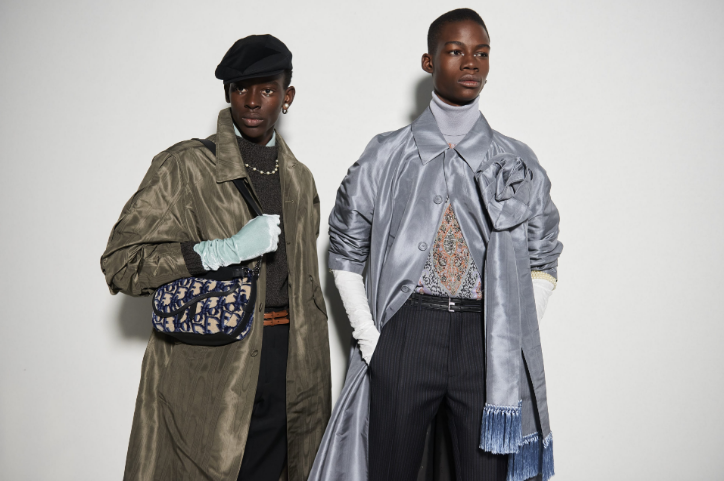
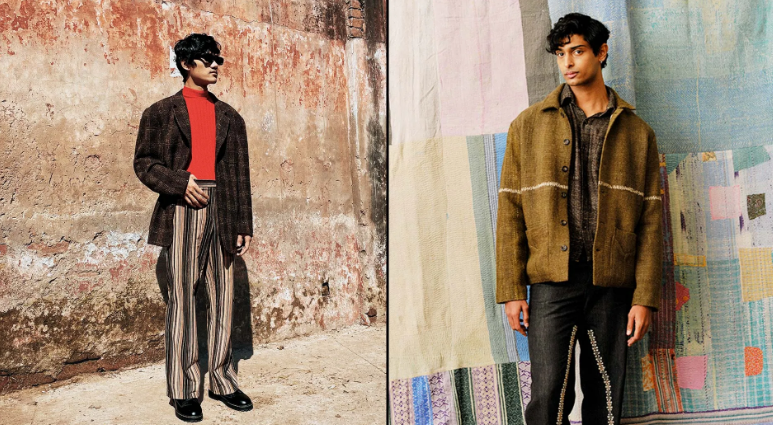
Fashion weeks are pivotal events in the fashion industry, showcasing the latest collections and setting trends for upcoming seasons. Held in major fashion capitals like New York, Paris, Milan, and London, these events attract designers, buyers, and media from around the world. This article explores the impact of fashion weeks on global trends and their significance in the fashion industry.
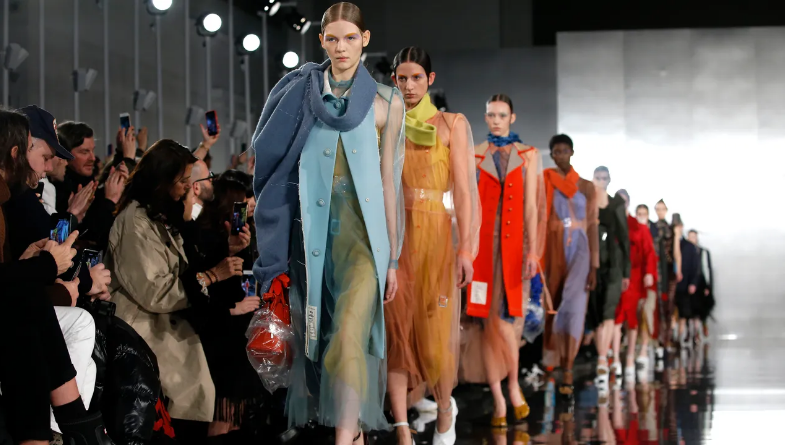
Understanding Fashion Weeks
The focus key phrase here is “impact of fashion weeks on global trends”. Fashion weeks are organized events where designers present their new collections to industry professionals, including buyers, journalists, and influencers. These events typically occur biannually, showcasing spring/summer and fall/winter collections.
Fashion weeks provide a platform for designers to debut their latest creations, set trends, and gain visibility. They also serve as a barometer for the fashion industry, influencing what will be popular in the coming seasons.
Setting Global Trends
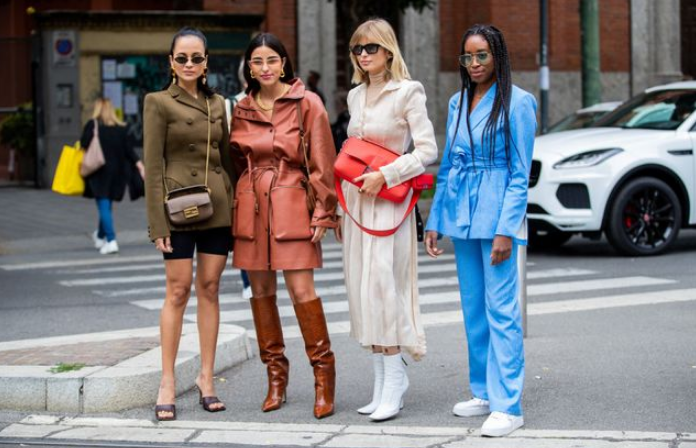
Fashion weeks have a profound impact on global trends. The collections showcased on the runways often dictate the colors, fabrics, silhouettes, and styles that will dominate the fashion landscape. Trends that emerge from fashion weeks are quickly adopted by retailers and eventually reach consumers.
For example, if a particular color or pattern is featured prominently in multiple collections during fashion week, it is likely to become a key trend for the season. Similarly, innovative designs and unique styling can inspire new trends and influence the direction of fashion.
The Role of Buyers and Media
Buyers and media play a crucial role in the dissemination of trends from fashion weeks. Buyers from major retailers attend fashion weeks to select pieces for their stores, ensuring that the latest trends are available to consumers. Their selections can significantly influence which trends gain traction in the market.
Media coverage of fashion weeks, including fashion magazines, websites, and social media, also amplifies the impact of these events. Fashion editors and influencers provide insights and commentary on the collections, highlighting standout trends and key pieces. This coverage reaches a global audience, further spreading the influence of fashion weeks.
Emerging Designers and Innovation
Fashion weeks are also essential for showcasing emerging designers and fostering innovation. New designers have the opportunity to present their work alongside established brands, gaining exposure and recognition. This influx of fresh talent brings new ideas and creativity to the industry, driving innovation and keeping fashion dynamic.
Emerging designers often challenge conventional norms and experiment with unique styles, pushing the boundaries of fashion. Their contributions are vital for the industry’s evolution, ensuring that fashion remains vibrant and forward-thinking.
Sustainability and Ethical Fashion
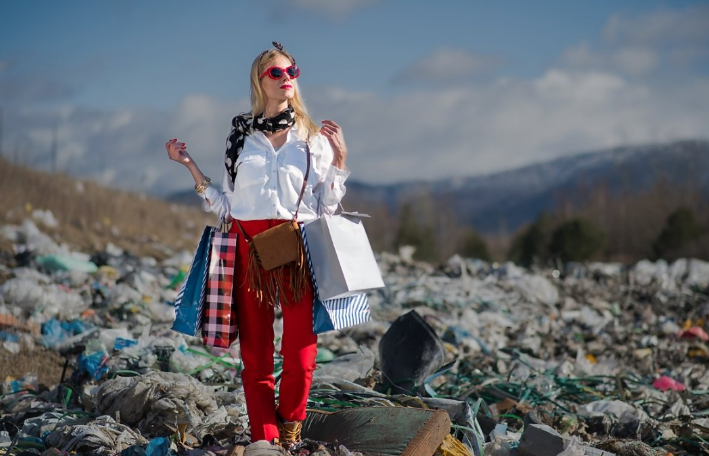
In recent years, fashion weeks have increasingly focused on sustainability and ethical fashion. Designers are using these platforms to highlight eco-friendly practices, sustainable materials, and ethical production methods. This shift reflects a growing awareness of the environmental and social impact of fashion.
Sustainable fashion shows and presentations are becoming more common, showcasing collections that prioritize environmental responsibility. This emphasis on sustainability at fashion weeks helps to promote more conscious consumption and inspire positive change within the industry.
Conclusion
The impact of fashion weeks on global trends is significant and far-reaching. These events set the tone for upcoming seasons, influencing what will be popular in the fashion industry. By showcasing new collections, highlighting emerging designers, and promoting sustainability, fashion weeks play a crucial role in shaping the future of fashion. As the industry continues to evolve, fashion weeks will remain essential for driving trends, fostering innovation, and connecting the global fashion community.