Fast fashion, characterized by its rapid production and low-cost garments, has become a dominant force in the fashion industry. However, this trend comes with significant environmental consequences. This article explores the impact of fast fashion on the environment, the factors driving its growth, and sustainable alternatives.
Understanding Fast Fashion
The focus key phrase here is “impact of fast fashion on the environment”. Fast fashion refers to the mass production of inexpensive clothing that quickly replicates the latest fashion trends. This business model relies on rapid production cycles, allowing brands to introduce new collections frequently and at low prices.
While fast fashion makes trendy clothing accessible to a broad audience, it also contributes to significant environmental degradation. The industry’s emphasis on speed and cost-cutting often leads to unsustainable practices and waste.
Environmental Impact of Fast Fashion
The environmental impact of fast fashion is profound and multifaceted. One major issue is the overuse of natural resources. The production of fast fashion garments requires vast amounts of water, energy, and raw materials. For example, it takes approximately 2,700 liters of water to produce a single cotton t-shirt.
Fast fashion also contributes to pollution. The use of synthetic fibers, such as polyester, results in microplastic pollution when these garments are washed. Additionally, the dyeing and finishing processes involve harmful chemicals that can contaminate water sources and harm aquatic ecosystems.
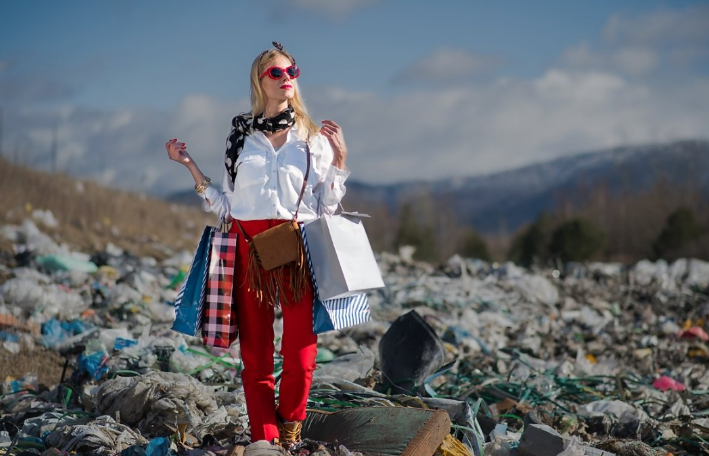
Waste is another critical concern. Fast fashion encourages a culture of disposability, where garments are often discarded after only a few wears. This leads to a significant increase in textile waste, much of which ends up in landfills. The decomposition of synthetic fibers in landfills releases greenhouse gases, further exacerbating climate change.
Factors Driving the Growth of Fast Fashion
Several factors contribute to the growth of fast fashion. One key driver is consumer demand for affordable and trendy clothing. Fast fashion brands leverage social media and marketing to create a sense of urgency, encouraging consumers to make frequent purchases.
The global supply chain also plays a role. Fast fashion brands often outsource production to countries with low labor costs, allowing them to produce garments quickly and cheaply. This business model prioritizes speed and efficiency over sustainability and ethical considerations.
Sustainable Alternatives to Fast Fashion
To mitigate the environmental impact of fast fashion, consumers and brands can explore sustainable alternatives. One approach is to prioritize quality over quantity. Investing in high-quality, durable clothing reduces the need for frequent replacements and minimizes waste.
Supporting ethical and sustainable brands is another way to make a positive impact. These brands prioritize eco-friendly materials, fair labor practices, and transparent supply chains. By choosing sustainable fashion, consumers can reduce their environmental footprint and support responsible production.
Second-hand shopping and clothing swaps are also effective alternatives. Thrift stores, consignment shops, and online marketplaces offer a wide range of pre-owned garments, allowing consumers to extend the lifecycle of clothing and
reduce textile waste. Clothing swaps and rental services provide additional ways to refresh wardrobes without contributing to the demand for new production.
Role of Technology and Innovation
Technology and innovation can play a crucial role in addressing the environmental impact of fast fashion. Advances in textile recycling technologies are making it possible to repurpose discarded garments into new fabrics, reducing waste and conserving resources.
Additionally, the development of sustainable materials, such as organic cotton, bamboo, and recycled polyester, offers eco-friendly alternatives to conventional fabrics. Innovations like 3D printing and zero-waste pattern making are also helping designers create more sustainable clothing with minimal waste.
Consumer Awareness and Education
Raising consumer awareness about the environmental impact of fast fashion is essential for driving change. Education campaigns and media coverage can highlight the consequences of unsustainable practices and promote more responsible consumption.
Consumers can make informed choices by researching brands’ sustainability practices and opting for those that prioritize the environment. Simple actions, such as washing clothes in cold water, air-drying, and repairing garments, can also extend the life of clothing and reduce environmental impact.
Conclusion
The impact of fast fashion on the environment is significant and far-reaching, contributing to resource depletion, pollution, and waste. However, by embracing sustainable alternatives, supporting ethical brands, and raising consumer awareness, we can mitigate these effects and promote a more sustainable fashion industry.
As consumers, designers, and brands work together to prioritize sustainability, the future of fashion can be both stylish and environmentally responsible. Embracing these changes is crucial for preserving our planet and ensuring a sustainable future for the fashion industry.