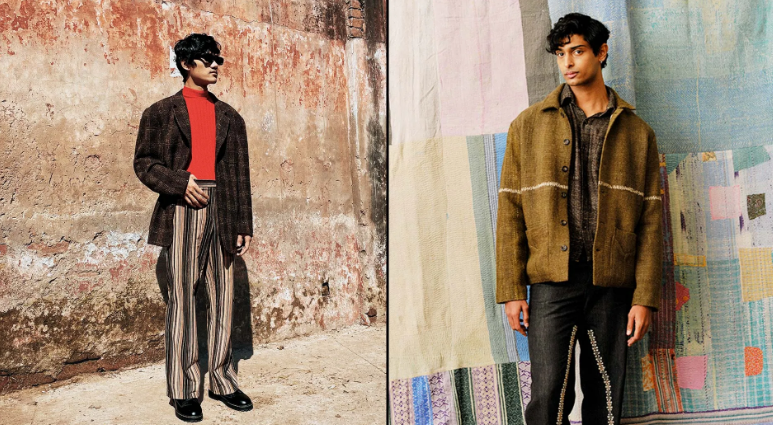
Ethical fashion emphasizes the need for a responsible approach to fashion production and consumption. By prioritizing fair labor practices, environmental sustainability, and animal welfare, ethical fashion seeks to create a more just and eco-friendly industry. This article explores the importance of ethical fashion, its principles, and how consumers can support this movement.
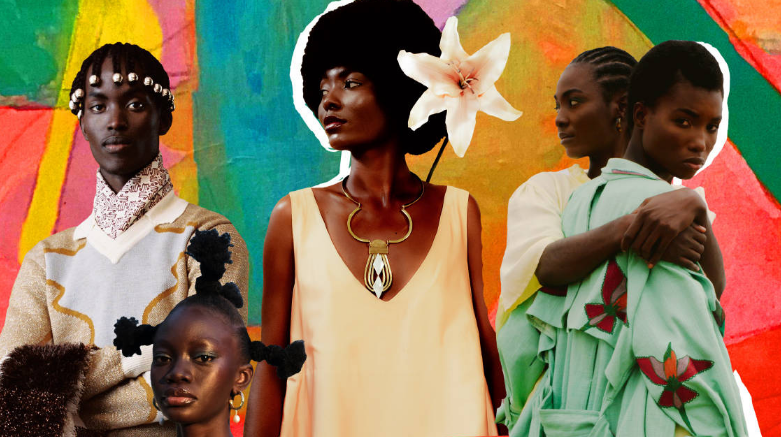
Understanding Ethical Fashion
The focus key phrase here is “ethical fashion”. Ethical fashion refers to the design, production, and consumption of clothing in a manner that prioritizes fairness, sustainability, and respect for people, animals, and the environment. This approach seeks to address the negative impacts of the fashion industry and promote positive change.
Ethical fashion encompasses various practices, including fair wages and safe working conditions for garment workers, sustainable sourcing of materials, and cruelty-free treatment of animals. It also involves transparency in supply chains and the reduction of environmental footprints.
Principles of Ethical Fashion
Several key principles guide ethical fashion:
- Fair Labor Practices: Ensuring that garment workers are paid fair wages and work in safe, healthy conditions is a cornerstone of ethical fashion. This principle seeks to eliminate exploitation and improve the livelihoods of workers in the fashion industry.
- Sustainable Materials: Ethical fashion prioritizes the use of eco-friendly materials, such as organic cotton, hemp, and recycled fabrics. These materials have a lower environmental impact compared to conventional fabrics and contribute to resource conservation.
- Animal Welfare: Ethical fashion promotes cruelty-free practices, avoiding the use of materials derived from animal suffering. This includes the use of alternatives to leather, fur, and exotic skins.
- Transparency: Transparency in supply chains is crucial for ethical fashion. Brands must disclose information about their sourcing, production processes, and labor practices, allowing consumers to make informed choices.
- Environmental Responsibility: Ethical fashion emphasizes the importance of reducing environmental impact through sustainable production methods, waste reduction, and resource efficiency.
Impact on the Fashion Industry
The rise of ethical fashion is transforming the industry by encouraging brands to adopt more responsible practices. Consumers are increasingly demanding transparency and accountability, pushing companies to prioritize ethics over profit. This shift is leading to more sustainable and fair production methods, benefiting both people and the planet.
Ethical fashion brands are setting new standards for the industry, proving that it is possible to create stylish and high-quality clothing without compromising on ethics. These brands often serve as pioneers, driving innovation and inspiring mainstream fashion companies to follow suit.
How Consumers Can Support Ethical Fashion
Consumers play a vital role in supporting ethical fashion. By making conscious choices and prioritizing ethical brands, consumers can drive demand for more responsible fashion practices. Here are some ways to support ethical fashion:
- Research Brands: Look for brands that prioritize fair labor practices, sustainability, and transparency. Many ethical fashion brands provide detailed information about their sourcing and production processes on their websites.
- Choose Sustainable Materials: Opt for clothing made from eco-friendly materials, such as organic cotton, hemp, and recycled fabrics. These materials have a lower environmental impact and support sustainable production.
- Support Local and Artisanal Brands: Local and artisanal brands often emphasize ethical production methods and craftsmanship. Supporting these brands helps promote fair labor practices and sustainable development.
- Buy Less, Choose Well: Focus on quality over quantity. Invest in well-made, durable clothing that will last longer and reduce the need for frequent replacements.
- Advocate for Change: Use your voice to advocate for ethical fashion. Share information about ethical brands, educate others about the importance of ethical fashion, and support campaigns that promote fair labor practices and sustainability.
Conclusion
Ethical fashion is essential for creating a sustainable and just fashion industry. By prioritizing fair labor practices, sustainable materials, and transparency, ethical fashion addresses the negative impacts of the fashion industry and promotes positive change. Consumers have the power to drive this movement by making conscious choices and supporting ethical brands. Together, we can build a fashion industry that values people, animals, and the environment.