Cultural heritage has a profound impact on fashion, inspiring designers and shaping trends. By drawing on traditional garments, patterns, and craftsmanship, fashion designers create pieces that celebrate and preserve cultural identities. This article explores the influence of cultural heritage on fashion, its significance, and how it enriches the industry.
Understanding Cultural Heritage in Fashion
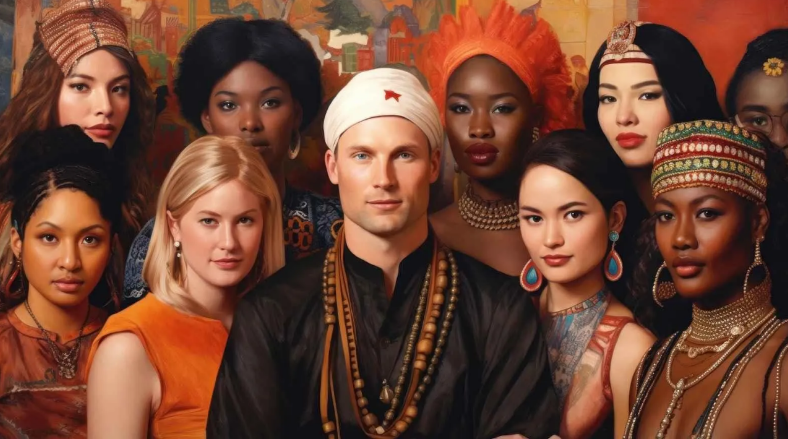
The focus key phrase here is “cultural heritage in fashion”. Cultural heritage encompasses the traditions, customs, and artifacts passed down through generations. In fashion, cultural heritage influences design elements such as patterns, fabrics, colors, and silhouettes, reflecting the rich history and identity of various cultures.
Designers often incorporate cultural heritage into their collections as a way to honor their roots and share their heritage with a global audience. This fusion of tradition and modernity creates unique and meaningful fashion that resonates with consumers.
Celebrating Diversity and Identity
Fashion inspired by cultural heritage celebrates diversity and promotes a deeper understanding of different cultures. By showcasing traditional garments and techniques, designers highlight the beauty and significance of cultural diversity. This not only enriches the fashion industry but also fosters greater appreciation and respect for various cultural identities.
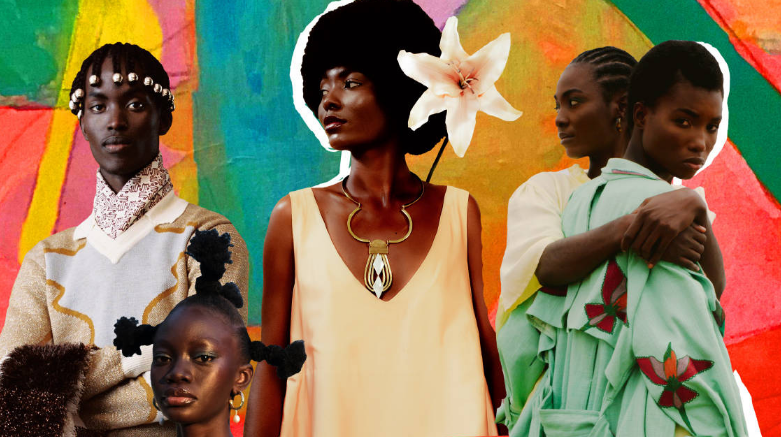
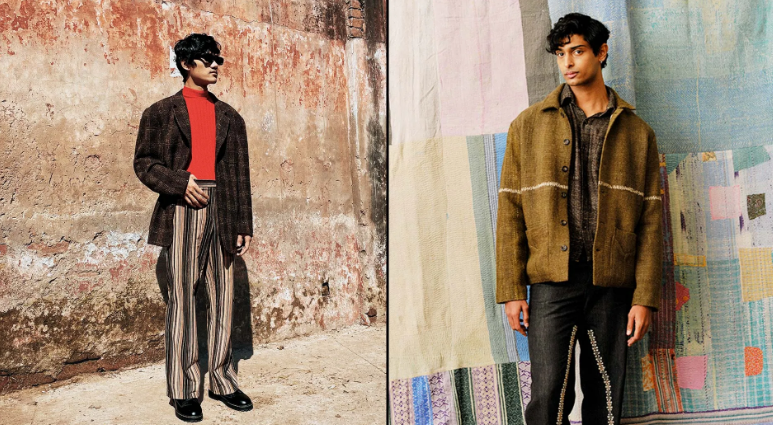
For example, traditional African textiles like kente and ankara have inspired contemporary fashion, bringing vibrant colors and intricate patterns to the global stage. Similarly, Indian textiles such as silk and embroidery have influenced high fashion, showcasing the craftsmanship and artistry of Indian culture.
Preserving Craftsmanship and Techniques
Incorporating cultural heritage into fashion helps preserve traditional craftsmanship and techniques that might otherwise be lost. Many traditional textile and garment-making methods require specialized skills passed down through generations. By integrating these techniques into modern fashion, designers help keep these crafts alive and relevant.
For instance, Japanese designers often use traditional techniques like shibori (tie-dye) and sashiko (embroidery) to create contemporary pieces. These methods not only add depth and authenticity to the designs but also support artisans and ensure the continuation of these skills.
Ethical Considerations and Cultural Appropriation
While the influence of cultural heritage on fashion is enriching, it also raises ethical considerations. Cultural appropriation, where elements of one culture are used without permission or understanding, can lead to exploitation and disrespect. It is essential for designers to approach cultural inspiration with sensitivity and respect, ensuring that they honor the cultures they draw from.
Collaborating with artisans and communities is one way to ensure ethical practices. By working directly with those who hold the cultural knowledge, designers can create authentic and respectful fashion that benefits both the creators and the communities.
Modern Interpretations and Fusion
Modern interpretations of cultural heritage often involve blending traditional elements with contemporary styles. This fusion creates innovative and dynamic fashion that appeals to a wide audience. Designers experiment with different ways to incorporate cultural motifs, from subtle accents to bold statements, creating versatile and stylish collections.
For example, Mexican designer Carla Fernández combines traditional indigenous techniques with modern silhouettes, creating pieces that are both fashionable and culturally significant. Her work exemplifies how cultural heritage can inspire contemporary fashion while preserving and celebrating traditional crafts.
Conclusion
The influence of cultural heritage on fashion is profound and multifaceted. By incorporating traditional elements into modern designs, fashion celebrates diversity, preserves craftsmanship, and promotes cultural understanding. As designers continue to draw inspiration from their heritage, they enrich the fashion industry with unique and meaningful creations. Ensuring that this inspiration is approached with respect and sensitivity is crucial for fostering a more inclusive and ethical fashion landscape.