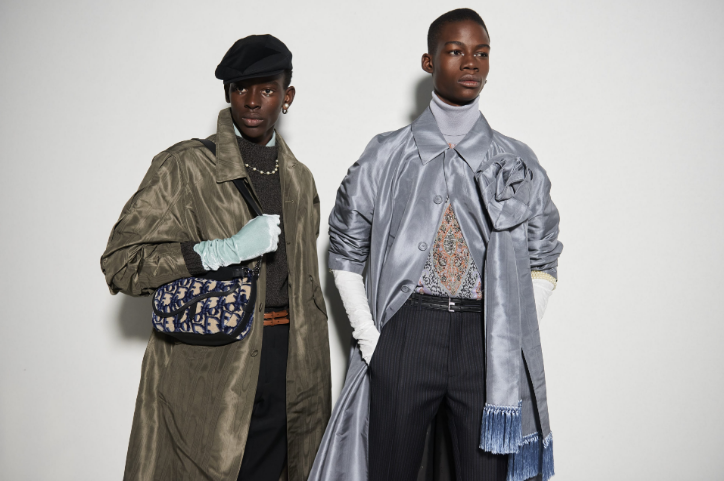
Vintage fashion has made a significant comeback in recent years, captivating fashion enthusiasts with its timeless charm and unique styles. The resurgence of vintage fashion reflects a desire for individuality and sustainability in the modern fashion landscape. This article explores the reasons behind the revival of vintage fashion, its impact on the industry, and how to incorporate vintage pieces into contemporary wardrobes.
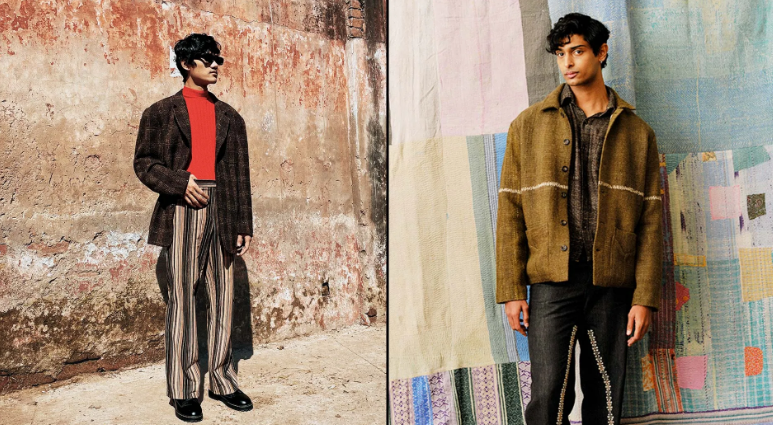
Understanding Vintage Fashion
The focus key phrase here is “vintage fashion in modern times”. Vintage fashion refers to clothing and accessories that were popular in previous decades, typically from the 1920s to the 1980s. These pieces are characterized by their unique designs, high-quality materials, and craftsmanship that often surpasses modern fast fashion standards.
The appeal of vintage fashion lies in its distinctiveness. Each piece tells a story and represents a specific era, offering a sense of nostalgia and history. Additionally, vintage fashion is often more sustainable, as it promotes recycling and reduces the demand for new clothing production.
Reasons for the Revival
Several factors contribute to the revival of vintage fashion in modern times. One significant reason is the growing awareness of sustainability and the environmental impact of fast fashion. Consumers are increasingly seeking alternatives that are eco-friendly and ethically produced, making vintage fashion an attractive option.
Another reason is the desire for individuality and self-expression. Vintage pieces offer unique styles that are not mass-produced, allowing individuals to create personalized and distinctive looks. The rise of social media has also played a role, with influencers and celebrities showcasing their vintage finds and inspiring others to embrace the trend.
Incorporating Vintage Fashion
Incorporating vintage fashion into contemporary wardrobes can be both exciting and challenging. Here are some tips to help you seamlessly blend vintage pieces with modern attire:
- Start Small: Begin with accessories like vintage scarves, hats, or jewelry. These items can add a touch of vintage flair to any outfit without overwhelming your look.
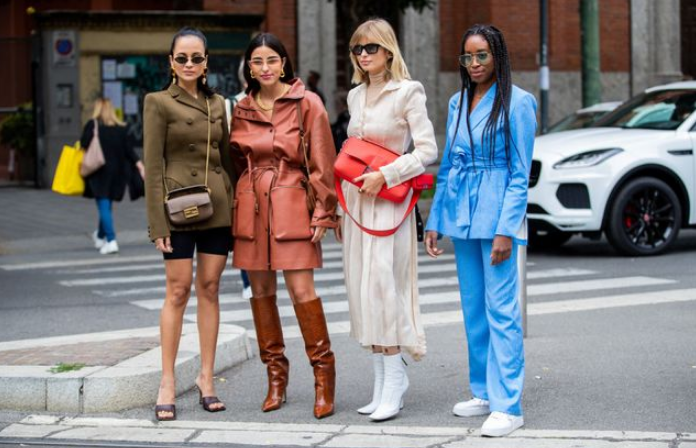
- Mix and Match: Pair vintage pieces with modern basics. For example, a vintage blouse can be styled with contemporary jeans or a vintage dress can be accessorized with modern shoes and bags.
- Tailor to Fit: Vintage clothing may not always fit perfectly, but a good tailor can help you achieve the right fit. Alterations can make a vintage piece look like it was made just for you.
- Invest in Quality: Look for well-made vintage items that have stood the test of time. High-quality fabrics and craftsmanship are hallmarks of true vintage fashion.
- Stay True to Your Style: While it’s fun to experiment, make sure the vintage pieces you choose align with your personal style. This will ensure you feel comfortable and confident in your outfits.
Impact on the Fashion Industry
The revival of vintage fashion has influenced the fashion industry in several ways. Many designers draw inspiration from past eras, incorporating vintage elements into their collections. Additionally, the popularity of vintage fashion has led to the rise of thrift stores, consignment shops, and online marketplaces specializing in vintage clothing.
Fashion brands are also responding to the demand for sustainable fashion by creating vintage-inspired collections and using recycled materials. This shift towards sustainability is reshaping the industry, encouraging more responsible production and consumption practices.
Conclusion
The revival of vintage fashion in modern times highlights a growing desire for sustainability, individuality, and quality in fashion. By embracing vintage pieces, consumers can create unique and stylish looks while supporting eco-friendly practices. As vintage fashion continues to gain popularity, its impact on the fashion industry will likely grow, promoting a more sustainable and diverse fashion landscape.