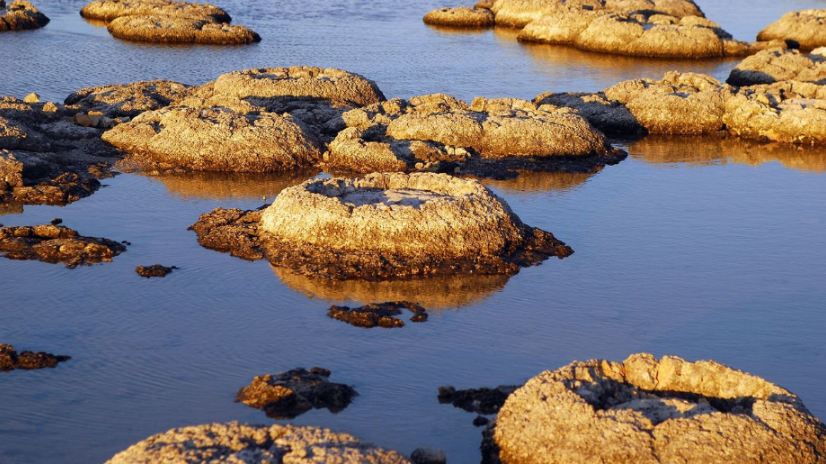
Ancient lifeforms known as archaea have fascinated scientists for decades. Unlike bacteria and eukaryotes (which include animals, plants, and fungi), archaea thrive in extreme environments using hydrogen as their energy source.
The Role of Hydrogen in Early Earth
Hydrogen, abundant during Earth’s early years due to intense geological activity, played a crucial role in the emergence of life. Similar to stars using hydrogen for energy, early lifeforms extracted energy through chemical reactions involving hydrogen molecules.
Archaea’s Unique Adaptations
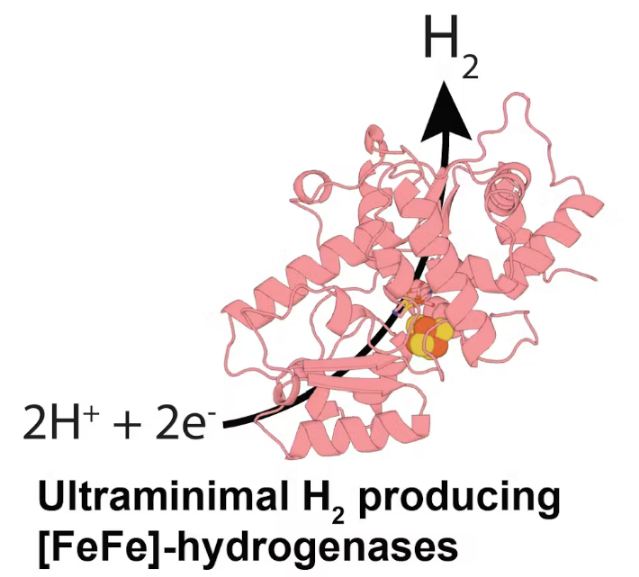
Research, including studies published in Cell and Nature Communications, reveals how archaea evolved mechanisms to survive in harsh conditions. These microorganisms produce specialized enzymes called hydrogenases, enabling them to thrive in environments hostile to most life.
Surviving Extreme Conditions
Archaea flourish in environments like acidic hot springs, where they consume hydrogen generated by geothermal processes. Some archaea even utilize trace amounts of atmospheric hydrogen, aiding their survival during atmospheric transport.
Subterranean Existence
Many archaea inhabit deep underground where no light or oxygen exists, subsisting by breaking down buried organic matter through hydrogen-forming fermentation. This process allows them to survive in environments uninhabitable by other organisms.
Methane Production in Animals
In animal intestines, archaea known as methanogens play a role in digestion, converting hydrogen into methane. This process is significant as methanogens contribute to methane emissions from various sources, including cattle and permafrost.
Learning from Archaea’s Hydrogen Economy
As societies seek sustainable energy solutions, archaea’s efficient hydrogen usage offers insights. Their biological hydrogen catalysts, unlike industrial counterparts requiring costly metals, present opportunities for developing more economical hydrogen technologies.
Hydrogen’s Historical Significance
Hydrogen not only shapes the future of energy but also provides clues about life’s origins. The merger of archaeal and bacterial cells billions of years ago, driven by hydrogen exchange efficiency, led to the evolution of eukaryotes—the ancestors of modern complex life.
Legacy of Ancient Lifeforms
Despite losing the ability to use hydrogen directly, traces of archaea and bacteria persist in modern organisms. Mitochondria, essential for energy production in eukaryotic cells, originated from bacterial ancestors, highlighting hydrogen’s enduring impact on Earth’s biodiversity.
Conclusion
In conclusion, archaea’s reliance on hydrogen underscores its pivotal role in Earth’s biological and environmental history. Understanding their adaptations and interactions with hydrogen provides valuable insights into sustainable energy solutions and the evolutionary processes that shaped life on our planet.