
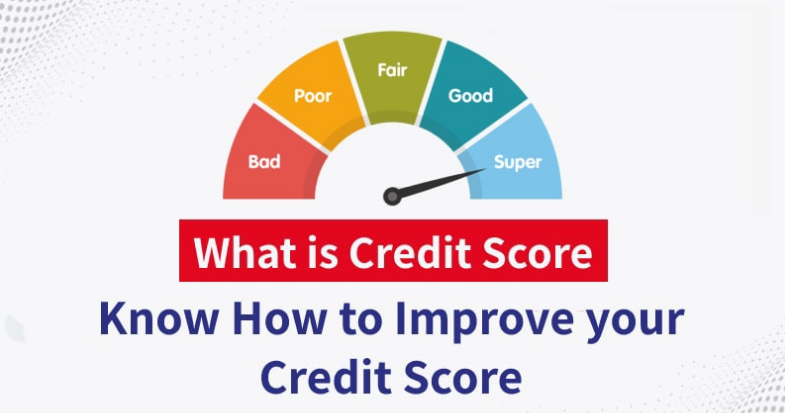
Learn the importance of your credit score and discover ways to improve it for better financial opportunities.
What is a Credit Score?
A credit score is a numerical representation of your creditworthiness. It ranges from 300 to 850 and is used by lenders to evaluate your ability to repay loans. A higher credit score can lead to better interest rates and loan approvals. Your credit score is calculated based on your credit report, which includes your credit history, outstanding debts, and other financial behaviors.
Factors That Affect Your Credit Score
1. Payment History: Your payment history accounts for 35% of your credit score. Consistently paying bills on time is crucial. Late or missed payments can significantly lower your score.
2. Credit Utilization: This represents 30% of your score. It’s the ratio of your current credit card balances to your credit limits. Keeping this ratio below 30% is recommended. High credit utilization can indicate to lenders that you are over-reliant on credit.
3. Length of Credit History: This accounts for 15% of your score. A longer credit history can positively impact your score. This includes the age of your oldest account, the age of your newest account, and the average age of all your accounts.
4. New Credit: New credit inquiries and recently opened accounts make up 10% of your score. Too many inquiries can lower your score. Each time you apply for credit, a hard inquiry is made on your report, which can temporarily lower your score.
5. Credit Mix: Having a variety of credit accounts (credit cards, mortgages, car loans) makes up 10% of your score. A diverse credit mix shows lenders that you can manage different types of credit responsibly.
How to Improve Your Credit Score
1. Pay Bills on Time: Always pay at least the minimum payment on time. Set up payment reminders or automatic payments to avoid missing due dates. Your payment history is the most significant factor affecting your credit score.
2. Reduce Debt: Pay down existing debt, especially high-interest credit card balances. Focus on reducing your overall debt load. High balances relative to your credit limits can negatively impact your score.
3. Check Your Credit Report: Regularly check your credit report for errors. Dispute any inaccuracies with the credit bureaus. Mistakes on your credit report can lower your score unnecessarily.
4. Avoid Opening Too Many New Accounts: Limit new credit inquiries. Each inquiry can lower your score slightly. Only apply for new credit when necessary.
5. Keep Old Accounts Open: Even if you no longer use an old credit card, keeping it open can positively impact your credit history length and utilization ratio. Closing old accounts can reduce the average age of your accounts and increase your credit utilization.
6. Diversify Your Credit Mix: If you only have credit cards, consider adding a different type of credit, like a personal loan or mortgage. A diverse credit mix can positively impact your score.
Conclusion
Understanding and improving your credit score is essential for better financial health. By managing your payment history, reducing debt, and being mindful of new credit inquiries, you can enhance your credit score and unlock better financial opportunities. A higher credit score can save you money on interest rates and improve your chances of loan approval.


