
The Zika virus has emerged as a significant global health concern in recent years. With its rapid spread and potential to cause serious birth defects, understanding this virus is crucial for effective prevention and control.
What is the Zika Virus?
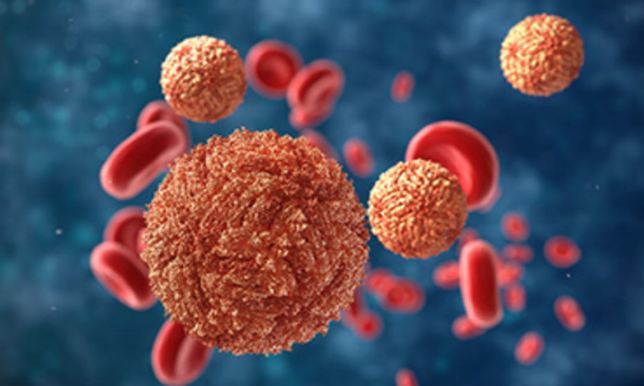
The Zika virus is a mosquito-borne flavivirus first identified in Uganda’s Zika Forest in 1947. It is primarily transmitted through the bite of infected Aedes mosquitoes, which are also responsible for spreading dengue, chikungunya, and yellow fever. The virus can also be transmitted through sexual contact, blood transfusion, and from mother to fetus during pregnancy.
Symptoms of Zika Virus Infection
Most people infected with the Zika virus experience mild symptoms or are asymptomatic. Common symptoms, which typically appear 2-7 days after being bitten by an infected mosquito, include:
- Fever
- Rash
- Conjunctivitis (red eyes)
- Muscle and joint pain
- Headache
These symptoms usually last for 2-7 days. However, the virus can have severe complications, particularly for pregnant women and their babies.
Zika Virus and Pregnancy
One of the most concerning aspects of the Zika virus is its effect on pregnant women. If a woman is infected with the Zika virus during pregnancy, the virus can be transmitted to the fetus, potentially leading to severe birth defects, including:
- Microcephaly: A condition where a baby is born with a smaller-than-normal head and brain, leading to developmental delays and neurological problems.
- Other Congenital Zika Syndrome: Includes brain abnormalities, eye defects, hearing loss, and impaired growth.
These complications have made the Zika virus a major public health issue, particularly in regions with high mosquito activity.
Geographic Distribution and Spread
The Zika virus has spread rapidly across various regions since its discovery. Major outbreaks have occurred in Africa, Southeast Asia, the Pacific Islands, and the Americas. The virus reached epidemic levels in Brazil in 2015-2016, causing widespread concern due to the associated birth defects.
Travelers to areas with active Zika transmission are at risk of infection. The Centers for Disease Control and Prevention (CDC) and the World Health Organization (WHO) provide updates on regions with active Zika virus transmission.
Prevention and Control Measures
Preventing Zika virus infection primarily involves avoiding mosquito bites and reducing mosquito populations. Effective prevention measures include:
- Using Insect Repellents: Applying EPA-registered insect repellents to exposed skin and clothing.
- Wearing Protective Clothing: Wearing long-sleeved shirts and long pants to reduce skin exposure.
- Using Mosquito Nets: Sleeping under mosquito nets, especially in areas with high mosquito activity.
- Eliminating Standing Water: Removing sources of standing water where mosquitoes can breed, such as buckets, flower pots, and old tires.
- Using Condoms: To prevent sexual transmission of the Zika virus.
For pregnant women, it is advised to avoid traveling to areas with active Zika virus transmission.
Diagnosis and Treatment
Diagnosis of Zika virus infection is typically based on symptoms and travel history. Laboratory tests can confirm the presence of the virus in blood, urine, or other body fluids. There is currently no specific treatment or vaccine for Zika virus infection. Treatment focuses on relieving symptoms:
- Rest: Getting plenty of rest.
- Hydration: Drinking fluids to prevent dehydration.
- Medication: Taking pain relievers such as acetaminophen to reduce fever and pain. Aspirin and non-steroidal anti-inflammatory drugs (NSAIDs) should be avoided due to the risk of bleeding.
Research and Future Directions
Research on the Zika virus is ongoing, with efforts focused on developing vaccines, antiviral treatments, and improved diagnostic tests. Several vaccine candidates are in various stages of development and clinical trials. Public health initiatives aim to improve mosquito control measures and raise awareness about the risks and prevention of Zika virus infection.
The global response to the Zika virus has highlighted the importance of coordinated efforts in addressing emerging infectious diseases. Continued research and public health efforts are essential to mitigate the impact of the Zika virus and protect vulnerable populations, particularly pregnant women and their babies.


